How to Spot Roof Damage After a Storm: Homeowner’s Checklist
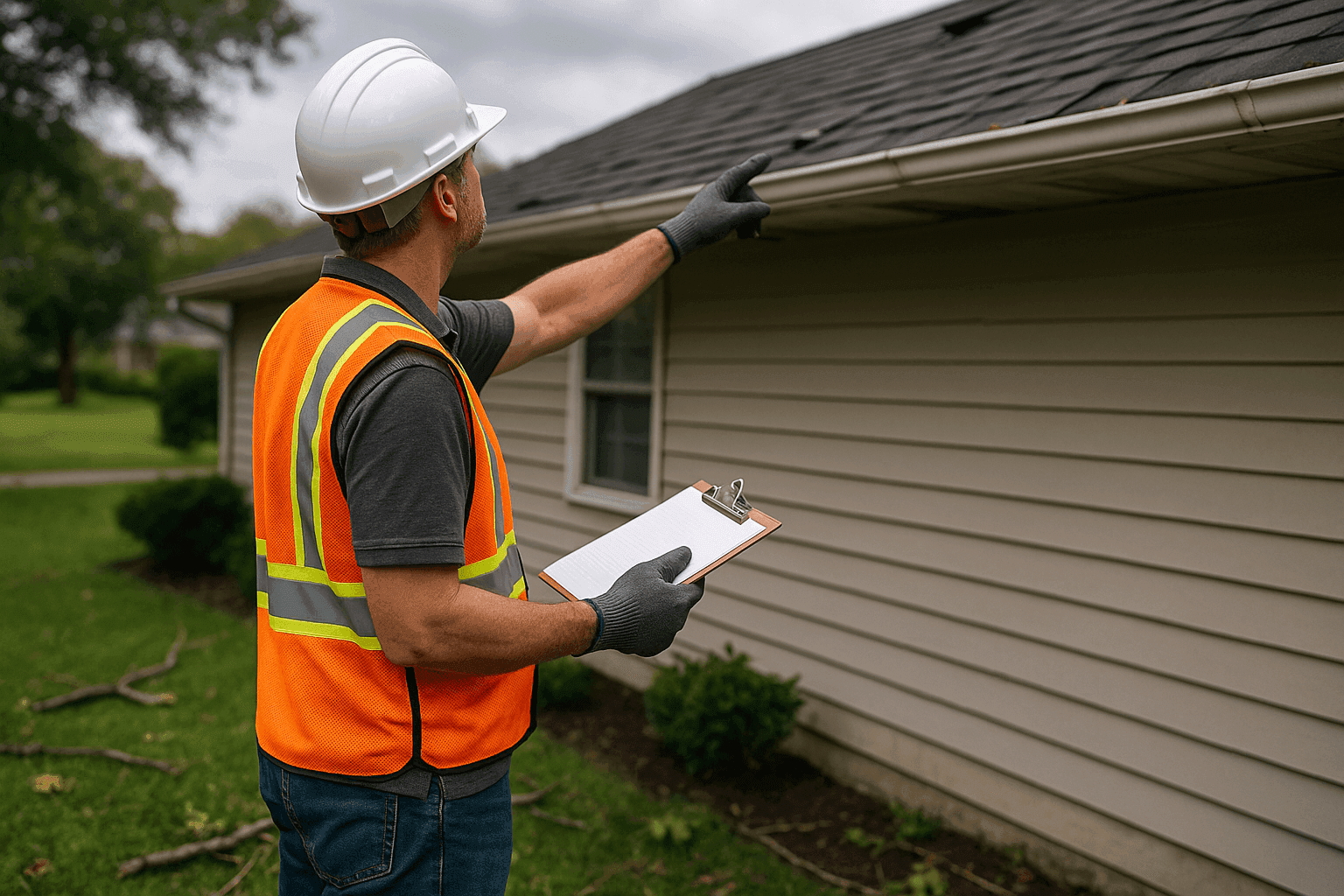
After a storm, your home can feel like a ship that’s just weathered rough seas. You step outside, heart pounding, wondering if your roof stood strong or let the water in. It’s a moment every homeowner dreads—and one when quick action matters.
At Rozzo Roofing, we know how sudden storm damage can leave roofs vulnerable. Fast, careful inspection keeps little problems from turning into big headaches. Our emergency roofing team has seen it all, and we’re here to help you spot trouble before it spreads.
Why Post-Storm Roof Inspections Matter ⚡
The roof is your home’s first shield. After a storm, that shield may be dented, cracked, or even pierced. Sometimes, the damage is obvious—a missing patch of shingles, a broken gutter hanging at an angle. Other times, the danger hides, quietly letting water sneak in.
Ignoring storm damage is like ignoring a slow leak on a boat. Eventually, things get worse. Water can rot wood, weaken structural supports, and create perfect hiding spots for mold. According to the Federal Emergency Management Agency (FEMA), water intrusion is one of the top causes of long-term damage after a major storm.
A careful inspection after each storm can save you thousands in repair costs and keep your home safe, dry, and secure. Even if things look OK from a distance, hidden issues can grow fast.
Ground-Level Signs of Roof Damage (Shingles, Gutters, Flashing)
You don’t need to risk your neck climbing a ladder to spot the first warning signs. Most storm damage leaves clues at eye level or lower. Here’s what to look for during your walk-around:
- Missing or curled shingles: Like missing scales on a fish, these leave your roof vulnerable.
- Shingle granules in gutters: Looks like coarse, black sand. It means your roof’s surface is wearing away.
- Bent, dented, or disconnected gutters/downspouts: Gutters are the roof’s drainage pipes—if they’re damaged, water can pool or flow where it shouldn’t.
- Loose or damaged flashing: The metal strips at roof valleys, chimneys, and skylights—if they’re sticking up or missing, water can sneak underneath.
- Debris piles: Branches, leaves, or even trash can block drainage and weigh down roof areas.
- Water stains on siding or under eaves: These suggest water is flowing off the roof in the wrong places.
You might also see damp spots in your attic or ceiling. That’s a red flag that water has already made its way inside.
What to Look For: Hail, Wind, and Water Damage
Storms don’t play favorites—each brings its own kind of trouble. Here’s how to spot the unique fingerprints left by hail, wind, and water:
Hail
- Dimpled or bruised shingles: Hailstones leave small, round pits—sometimes with a soft spot if you press gently.
- Cracked or split shingles: Especially on older roofs, hail can break shingles right down the middle.
- Dented metal flashing or gutters: Check for little impact marks.
Wind
- Lifted or missing shingles: Look for uneven roof lines or patches where shingles have vanished.
- Creased shingle tabs: If wind has pulled a shingle up and set it back down, it may leave a visible crease.
- Debris stuck on the roof or in gutters: Wind can blow branches and leaves onto the roof, sometimes causing punctures.
Water
- Water stains indoors: Dark spots on ceilings or walls. Sometimes, you’ll see bubbling paint or soft drywall.
- Moss or algae streaks: Consistent moisture leads to green or black streaks.
- Dripping sounds in the attic or crawl space: Even a slow drip can signal a roof leak.
Take photos of anything out of the ordinary. That record will help if you need to work with your insurance company later.
When to Call a Roofing Specialist 🛠️
Some roof problems are easy to spot. Others hide out of sight, quietly damaging wood or insulation. If you notice any of the following, it’s time to reach out for emergency roofing help:
- Water leaking inside, even a drip
- Large sections of missing shingles or tiles
- Sagging or drooping rooflines
- Gutter or downspout hanging loose
- Flashing that’s pulled away from chimneys or skylights
Remember, walking on a damaged roof is risky—it can give way without warning. Instead, rely on professionals with safety gear and the know-how to spot hidden damage. The National Roofing Contractors Association (NRCA) recommends homeowners avoid climbing onto roofs after storms for this reason.
A professional inspection from Rozzo Roofing goes deeper than a surface scan. We check for structural issues, hidden leaks, and problems with ventilation or insulation—trouble that can be hard to spot from the ground.
Preventing Further Damage and Insurance Considerations
Time is the enemy after a storm. Waiting too long allows water to creep in, rot wood, and spark mold growth. Quick action can save you from repairs that spiral out of control.
Here’s how to keep things from getting worse:
- Temporarily cover holes: Use tarps or plastic sheeting if you can do so safely.
- Clear debris from drains and gutters: Keep water flowing away from your home.
- Document damage: Take photos and notes—your insurance company will need these.
- Schedule a professional inspection: Some issues, like loose flashing or hidden leaks, are nearly invisible from the ground.
Many insurance policies require prompt reporting of storm damage. Call your insurer as soon as possible and keep a record of all communications. The Insurance Information Institute recommends documenting repairs and keeping receipts to streamline your claim.
How to Safely Assess Your Roof After a Storm
You don’t need a ladder to protect your home. Here’s a safe checklist:
- Walk the perimeter; look for missing shingles, tiles, or metal panels.
- Check gutters and downspouts for dents, breaks, or blockages.
- Scan for debris on the roof, in valleys, or around skylights.
- Look for water stains on exterior walls, under eaves, or inside the attic.
- Listen for dripping or running water at night.
If you spot anything worrying, call Rozzo Roofing for a professional inspection. Don’t risk your safety—some damage is only visible up close, and roofs can be slippery or unstable after storms.
Risks of Delayed Repairs
Putting off roof repairs is like ignoring a cracked windshield. The problem grows. Water finds new paths. Rot sets in. Insulation gets soaked, losing its ability to keep you warm. Mold spores drift through your HVAC. The cost and headaches multiply by the week.
In many cases, the longer the wait, the more extensive (and expensive) the repairs. Quick action is the single best way to keep your home safe and your costs down.
Why Professional Evaluation Is Critical
Even if storm damage looks minor, the real trouble can be hidden. Professional roofers know where to look and what to touch. They use tools like moisture meters and thermal cameras to sniff out problems behind walls and under shingles.
A professional will:
- Check for subtle shingle damage invisible from the ground.
- Inspect flashing, chimneys, skylights, and vent boots for leaks.
- Look inside attics for moisture, mold, or daylight peeking through.
- Assess gutters, downspouts, and drainage systems.
- Provide a written inspection report for insurance or peace of mind.
Professional inspections also help you plan for the future. Maybe your roof survived this storm, but signs of wear suggest it’s time for an upgrade—whether that’s shingle roofing, metal roofing, or eco-friendly options.
Frequently Asked Questions
How soon should I check my roof after a storm?
As soon as it’s safe. Wait until wind and lightning have passed. A ground-level check within 24 hours is ideal—call for emergency roofing if you spot leaks or big issues.
What’s the most common storm damage homeowners miss?
Flashing problems. Small shifts or cracks around chimneys, skylights, or roof valleys can let water in slowly, causing major headaches down the line.
Can I make temporary repairs myself?
If you’re comfortable and it’s safe, temporary tarps can help. But avoid climbing on wet, slippery roofs. Call professionals for anything beyond minor patching.
Will insurance cover storm damage?
Most homeowner policies cover sudden storm damage, but specifics depend on your plan. Document everything and call your insurer promptly.
Seasonal and Local Considerations
Every region has its weather quirks. In some areas, hail is common; in others, wind-driven rain is the main threat. After winter storms, watch for ice dams and snow buildup. In spring, strong winds and heavy rain cause most roof emergencies.
If your neighborhood has older homes or trees that overhang your roof, extra vigilance is key. Regular inspections and gutter cleaning can prevent many problems before they start.
Final Thoughts
After a storm, your roof needs as much attention as the rest of your home. A careful, ground-level inspection is the first line of defense. For anything more, Rozzo Roofing is here 24/7 with emergency roofing, shingle roofing near you, and all the repair and restoration services your home might need.
Call Rozzo Roofing now — or reach us anytime at 888-598-3440 .