How to Choose the Right Roofing Contractor: Red Flags & Questions to Ask
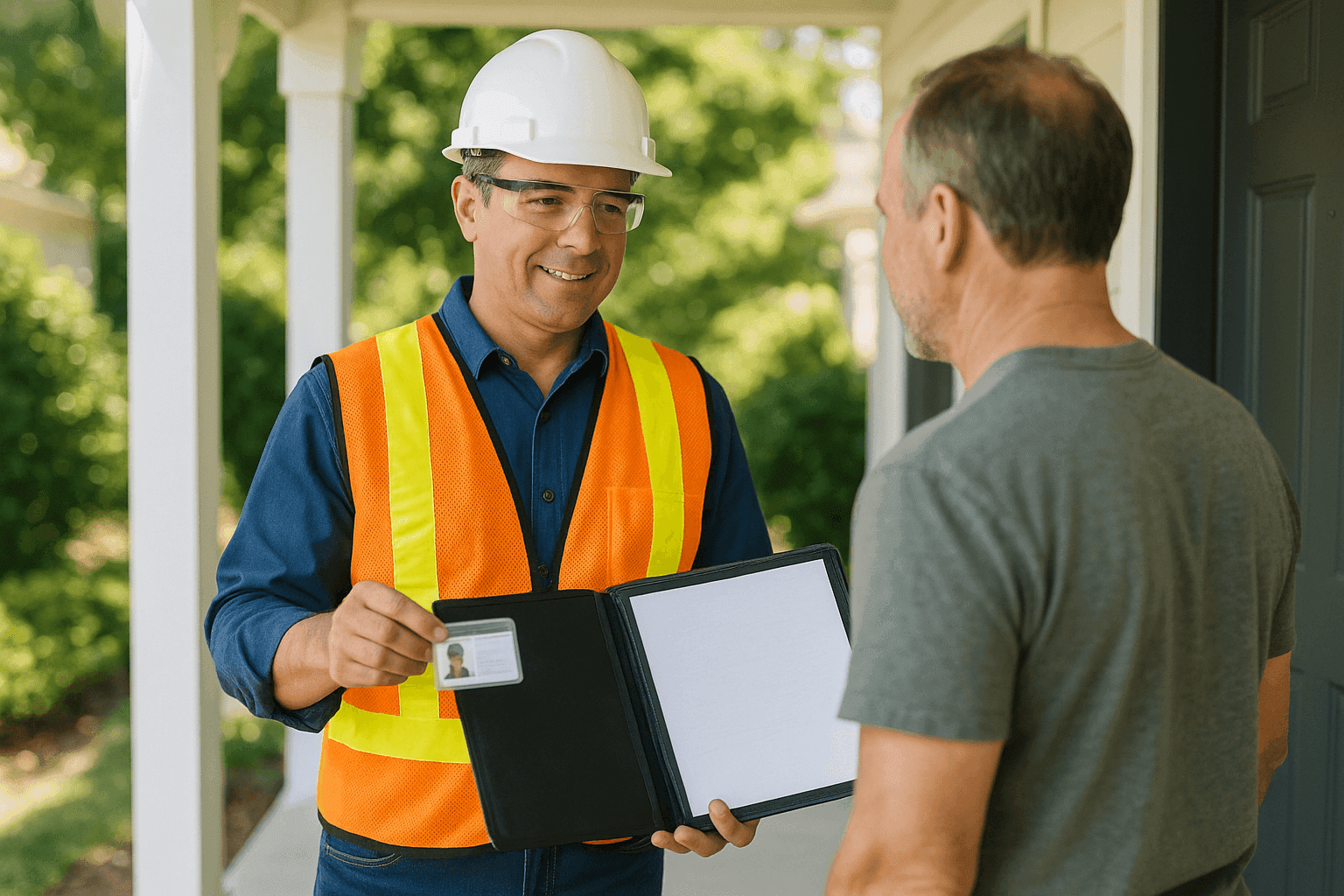
Choosing the right roofing contractor isn’t just about saving money. It’s about protecting your home, your business, and everything beneath your roof. When rain pours, wind rattles, or leaks creep in, you need someone reliable—fast.
But how can you be sure you’re hiring a pro and not risking your property to fly-by-night operators? At Rozzo Roofing, we know the stakes are high. Let’s walk you through what to look for, what to avoid, and what questions to ask, whether you need emergency roofing or routine gutter repair near you.
Why the Right Roofing Contractor Matters
A roof isn’t just shingles and nails. It’s your shield. When you choose a contractor, you’re trusting them with your safety, investment, and peace of mind. An inexperienced or untrustworthy roofer can leave you with leaks, insurance headaches, and even structural risk.
Don’t gamble with your roof. The right contractor brings more than tools—they bring local knowledge, code compliance, and real accountability.
Quick Safety Checklist Before You Hire 🛑
Roofing is dangerous work. Before you sign anything, check these basics:
- State licensing: Make sure they’re licensed as required by law in your area. Check with your state’s contractor licensing board.
- Insurance: Demand proof of both liability and workers’ compensation insurance.
- Physical address: No P.O. boxes—look for a real, local business address.
- References: Ask for recent, local references and read verified customer reviews.
- Warranties: Check what’s covered and for how long (materials and labor).
It’s like checking a pilot’s credentials before takeoff—you want to know they’re cleared for the job.
Red Flags: Warning Signs to Watch For
Not all roofers are created equal. Here’s what should set off alarm bells:
- No verifiable address: If you can’t drive by their office, be wary.
- High-pressure sales tactics: Anyone pushing you to sign “today only” deals may not have your best interest at heart.
- No written contract: Never let work start without a clear, detailed contract.
- Vague or missing insurance: If their proof of insurance looks homemade, walk away.
- No business history: Fly-by-night roofers often appear after storms, then vanish.
Think of these as potholes on the road to a safe, solid roof.
Questions to Ask Every Roofer
Before you shake hands or sign, ask these questions:
- Are you licensed and insured for roofing in this state?
- Can you provide references for similar projects?
- What is your business address and how long have you been operating?
- Who will be on site each day, and how will the project be supervised?
- What is your process for weather delays or unforeseen damage?
- What warranties do you offer on materials and labor?
- Will you obtain all necessary permits?
- Is cleanup included in your price?
- How will you protect my gutters, landscaping, and property?
- How do you handle payment schedules and final inspections?
A trustworthy contractor will answer clearly, not dodge or deflect.
How to Compare Quotes and Contracts
Comparing roofing quotes isn’t just about the price.
- Scope of work: Make sure each quote spells out exactly what’s included (materials, tear-off, underlayment, flashing, cleanup, etc.).
- Materials: Confirm the brand and grade of shingles, metal, or tile to be used.
- Timeline: Look for clear start and finish dates.
- Payment terms: Avoid large down payments. Staged payments based on progress are standard.
- Warranty details: Get both manufacturer and workmanship coverage in writing.
Lay the contracts side by side. If one is vague or missing details, it’s like buying a car without seeing the engine.
Licensing, Insurance & Warranties: The Bedrock of Trust
Reputable roofers carry state-required licenses and insurance. The National Roofing Contractors Association (NRCA) and OSHA set the standards for safety and professionalism. Always ask for documentation.
Warranties matter, too. Get clarity on what’s covered—from leaks to shingle defects—and for how many years. If anything feels fuzzy, ask for it in writing.
How to Spot a True Professional
Look for these signs you’re dealing with a reputable company:
- History: Years in business means they’ll be there if you ever need follow-up.
- Local reviews: Check Google, BBB, or local trade associations.
- Accreditations: Memberships in groups like the NRCA, or manufacturer certifications, show commitment to quality.
- Transparency: Professional roofers explain every step and answer every question.
Think of a good roofer like a seasoned captain—they know the local weather, the best route, and how to steer clear of trouble.
DIY vs. Call a Pro
Replacing a shingle or clearing a clogged gutter might seem doable. But climbing on a roof brings real risks—slips, falls, and the chance of making things worse. For anything beyond basic gutter cleaning, especially if you see water stains or missing shingles, call in a pro.
Rozzo Roofing handles everything from quick leak repair to full-scale emergency roofing. Our team is trained, equipped, and insured for your safety.
What Pros Do On Arrival
When a reputable contractor arrives, here’s what you can expect:
- Inspection: They’ll check the roof, attic, gutters, and flashing for hidden damage.
- Documentation: Photos and notes make it easy to see what needs fixing.
- Estimate: You’ll get a written estimate, not just a handshake.
- Plan: They’ll explain the process, materials, and timeline.
- Safety: Gear, harnesses, and safe work practices should be visible on every job.
No guesswork. No shortcuts.
Prevention & Maintenance: Your First Line of Defense 🛠️
A little prevention saves a lot of money. Here’s what to schedule regularly:
- Annual inspections: Catch leaks, loose flashing, or cracked seals early.
- Gutter cleaning: Prevent water damage by keeping gutters and downspouts clear.
- Sealant checks: UV and weather break down sealants—refresh as needed.
- Ventilation & insulation: Proper attic airflow prevents mold, rot, and ice dams.
Follow guidance from the National Roofing Contractors Association and local building codes. Don’t ignore small drips—they’re tomorrow’s big problems.
Costs & Time Factors: What to Expect
Roofing costs depend on:
- Size and pitch of your roof
- Material choice (shingle, tile, metal, flat)
- Extent of damage or repairs needed
- Access and complexity (steep roofs, skylights, chimneys)
Simple repairs may take a few hours. Full replacements can run several days. Always factor in weather delays—Mother Nature doesn’t check your calendar.
For reference, the National Association of Home Builders notes that roof lifespans and costs vary widely, so get at least three quotes and beware of prices far below market norms.
When It’s an Emergency
Storm just hit? Water pouring in? Emergency roofing needs can’t wait.
- Act fast: Cover leaks with tarps if safe—avoid climbing on wet roofs.
- Document damage: Photos help with insurance.
- Call a pro: Emergency roofing contractors like Rozzo Roofing respond 24/7 for leak repair, storm damage restoration, and structural issues.
- Beware of “storm chasers”: Only work with established, local companies.
Your roof is your home’s first responder. Don’t risk your safety or insurance coverage by waiting.
FAQ: Roofing Contractor Questions Answered
How do I know if a roofer is licensed?
Ask for their license number and check with your state’s contractor licensing board. Licensing ensures they meet local building codes and safety standards.
What insurance should a roofer have?
They should have both liability and workers’ compensation insurance. This protects you if something goes wrong on your property.
Should I get multiple estimates?
Yes! Compare scope, materials, warranty, and reputation—not just price. The cheapest estimate isn’t always the best value.
How often should my roof be inspected?
At least once a year, or after any major storm. Regular inspections catch small issues before they turn into big repairs.
Local and Seasonal Considerations
Your region affects your roof’s lifespan and care. Heavy snow, hail, wind, or heat can all shorten roof life. Make sure your contractor understands local weather patterns and building codes.
In storm-prone areas, choose a roofer with experience in emergency roofing and storm damage restoration. For older homes, check if your contractor knows historical roofing materials and modern upgrades.
Spring and fall are ideal for inspections and preventative maintenance. Don’t wait for leaks—schedule before the busy season.
When your roof needs help—fast or planned—choose a contractor who stands behind their work, follows the rules, and puts your property first. Rozzo Roofing brings years of experience in gutter repair, roof replacement, skylight installation, and 24/7 emergency roofing.
Call Rozzo Roofing now — or reach us anytime at 888-598-3440 .