Downspout Repair & Installation: Preventing Foundation Damage
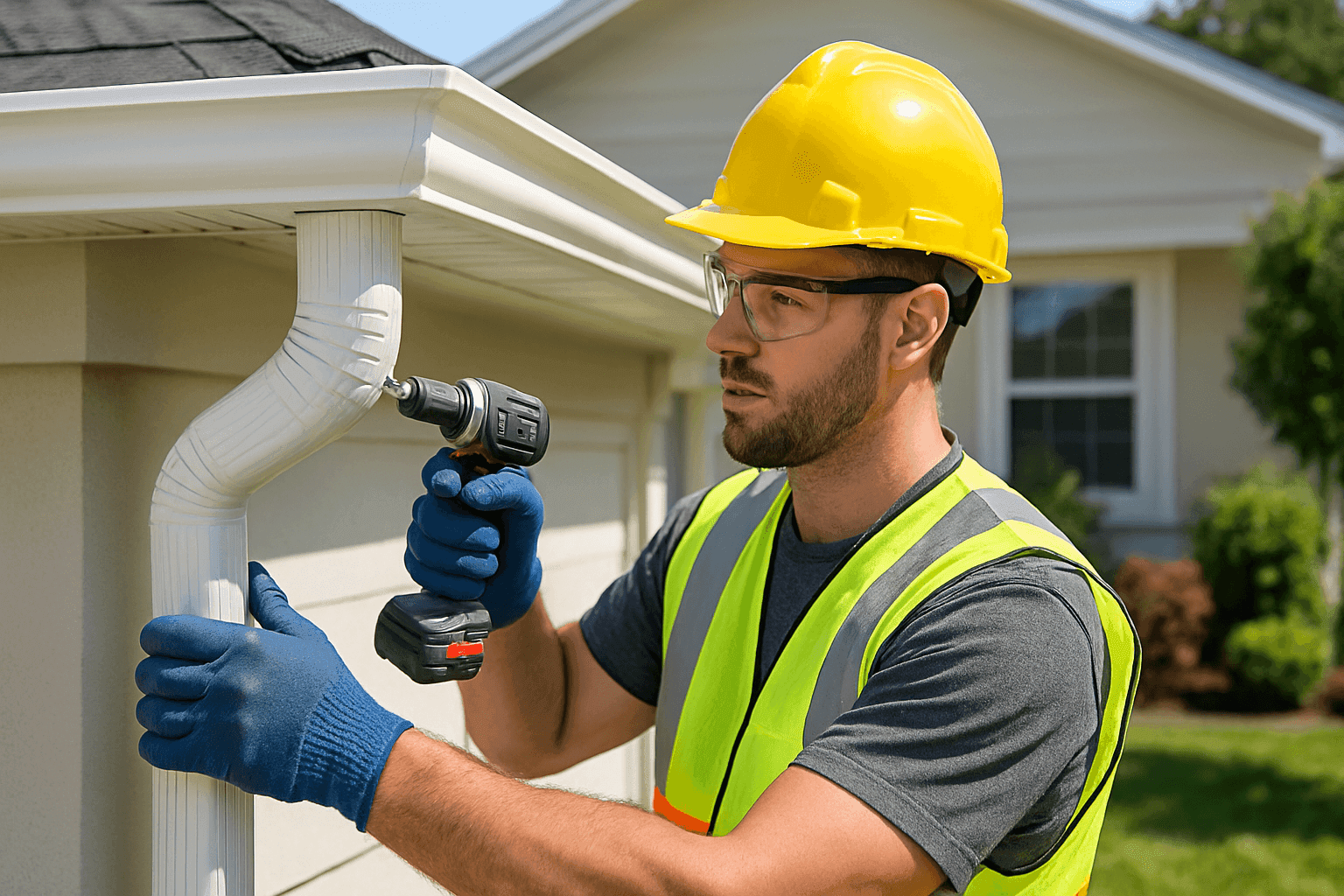
You notice soggy earth by your basement windows. The garden mulch keeps washing away. Sometimes, water drums a steady beat off the siding—even when rain has stopped. These signs might seem small. But together, they're a quiet alarm: your downspouts could be failing, and your foundation may be next.
At Rozzo Roofing, we see every season’s weather throw new challenges at homes and businesses. As insured technicians serving both residential and commercial properties, we know the real cost of ignoring gutter and downspout problems. Our work is built to local code and backed by a gallery of real before-and-after results.
Why Downspouts Matter—And How They Protect Your Foundation 🏠
Think of your roof as the umbrella. Gutters are the rim. But the downspout? That’s the handle—the path water takes away from your home. When downspouts work, rainwater flows safely several feet from your foundation. When they don’t, water pools, soil erodes, and your foundation starts to crack or settle.
A faulty downspout is like a leaky pipe inside your walls—you won’t see the damage until it’s too late. That’s why regular checks and prompt repair matter.
Signs Your Downspouts Need Attention
- Overflowing gutters or waterfalls at corners during rain
- Soil erosion, trenches, or craters beneath downspout exits
- Water stains or mildew along the foundation wall
- Pooling water near the house after storms
- Rust, dents, or cracks in the downspout
- Detached joints or missing splash blocks
If you spot any of these, it’s time to act.
Quick Safety Checklist Before Inspection
Safety comes first, even with simple checks. Here are essentials before you start:
- Wear sturdy shoes with non-slip soles.
- Use a ladder that’s stable and rated for your weight.
- Avoid working near power lines or in lightning.
- Let someone know you’ll be working outside.
- Wear gloves—sharp metal and hidden debris can cut.
- Never climb onto wet or icy roofs.
The Occupational Safety and Health Administration (OSHA) recommends these steps to prevent falls and injuries.
DIY vs. Call a Pro: Knowing Your Limits
Some issues are quick fixes. Others hide bigger risks.
Handle Yourself If:
- The clog is within reach (top or bottom of the downspout)
- Downspout is slightly loose but not damaged
- Minor debris is visible and easy to clear
Call Rozzo Roofing When:
- Downspouts are bent, cracked, or detached from the gutter
- Water damage or mold appears inside your basement
- Fasteners are missing or rusted through
- Downspout doesn’t drain away from your foundation
- You suspect hidden leaks or blockages
Remember, emergency roofing issues—like floods or major leaks—require urgent, professional attention.
What Pros Do On Arrival
When you call Rozzo Roofing for downspout repair or installation, here’s what happens next:
- Assessment: We inspect gutters, downspouts, and the overall drainage path.
- Code Compliance: All repairs and installations follow local building codes and guidelines from the International Code Council (ICC).
- Repair or Replacement: Damaged sections are fixed or swapped out using quality materials—aluminum, galvanized steel, or eco-friendly options.
- Secure Attachments: Downspouts are fastened with code-approved hangers and brackets.
- Proper Slope: Downspouts are angled to direct water at least 5–10 feet from the foundation.
- Testing: We flush the system to ensure clear, steady flow.
- Cleanup: All debris is removed. We’ll show you before-and-after photos so you see exactly what’s been fixed.
Prevention & Maintenance: Keep Water Away, Year-Round
Downspouts need attention just like any other part of your roof. Here’s how you can help:
Seasonal Cleaning Tips
- Spring & Fall: Clear leaves, twigs, and roof grit from gutters and downspouts.
- After Major Storms: Inspect for new clogs or damage.
- Winter: Check for ice dams, especially on flat roofs or shaded eaves.
- Dry Season: Confirm splash blocks or extensions are in place and angled away from the building.
A garden hose is the best tool—run water through the system to confirm flow and spot leaks.
Proactive Upgrades
- Install gutter guards to reduce debris.
- Use longer downspout extensions for problem areas.
- Consider rain barrels to catch runoff and use for landscaping.
The National Association of Home Builders (NAHB) recommends twice-yearly cleaning for most climates.
Costs & Time Factors: What to Expect
Every property is different. Here’s what usually impacts repair or installation costs and timing:
- Material: Aluminum and vinyl are budget-friendly; copper or steel cost more but last longer.
- Extent of Damage: A simple reattachment is fast, while replacement of multiple sections takes longer.
- Height & Accessibility: Multi-story buildings require more equipment and safety steps.
- Custom Fittings: Historic or unique rooflines may need specialized solutions.
- Weather: Rain or freezing conditions can delay safe repairs.
Most repairs take a few hours. Full replacements or complex installations might require a half day or more.
When It’s an Emergency
Certain downspout issues can’t wait:
- Water actively flooding your basement or crawlspace
- Structural shifting or visible foundation cracks
- Repeated interior leaks after storms
In these moments, Rozzo Roofing’s emergency roofing crews are ready. Fast response can mean the difference between cleanup and major repairs.
FAQ: Downspout Repair and Installation
How often should downspouts be replaced?
Most downspouts last 20–30 years if maintained. Replace sooner if you see rust, cracks, or frequent clogs.
Can I extend downspouts myself?
Yes, basic extensions are DIY-friendly. Make sure they direct water at least 5–10 feet from your foundation.
Are there eco-friendly downspout options?
Absolutely. We install rain barrels and permeable splash pads that help water your landscaping and reduce runoff.
What if my downspout drains onto the sidewalk?
It’s best to redirect it. Water can freeze in winter, creating slip hazards and violating local building codes.
Local & Seasonal Considerations
Weather patterns matter. In areas with heavy rainfall or snowmelt, longer downspouts and robust splash blocks are essential. Salt and sand used in winter can corrode metal fittings—choose materials suited for your climate.
Always check city or county codes before installing new drainage systems. Rozzo Roofing ensures every job meets or exceeds these standards.
If your downspouts aren’t doing their job, you’re rolling the dice with your foundation. Let Rozzo Roofing handle your emergency roofing and gutter repair needs—any time, any weather.
Call Rozzo Roofing now — or reach us anytime at 888-598-3440 .