Flat Roofs Explained: Pros, Cons & Best Uses for Homes & Businesses
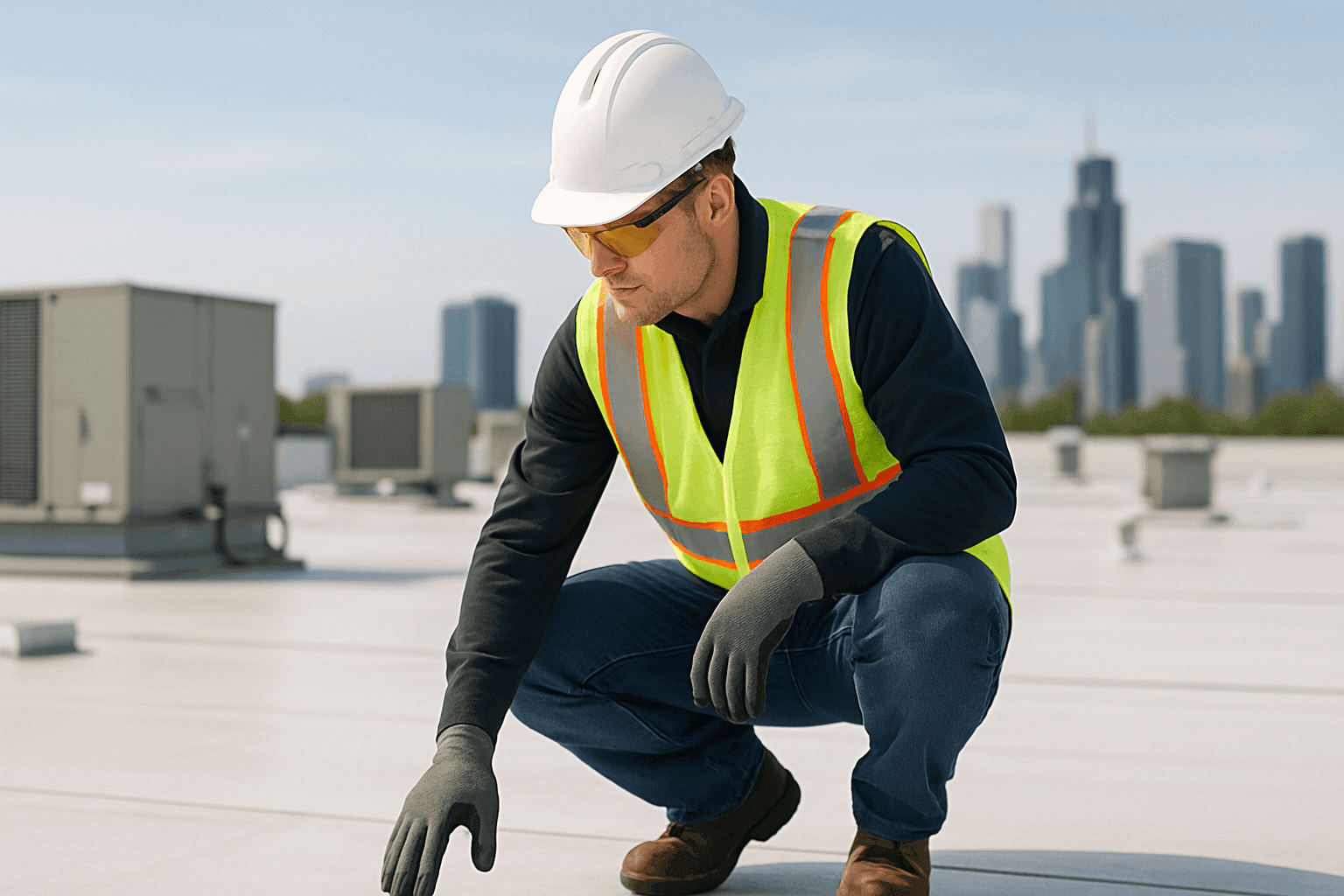
Does your roof look more like a basketball court than a mountain ridge? If so, you’re not alone. Flat roofs cover everything from city offices to modern homes. But they come with their own set of strengths—and a few quirks. When water pools or a sudden leak appears, the urgency hits fast. That’s when you need real answers, not guesswork.
Rozzo Roofing has seen it all. Our crews handle emergencies, routine maintenance, and everything between. We’re manufacturer-certified and trusted by business owners and homeowners alike, with a portfolio that spans sleek modern homes and sprawling commercial spaces.
What Makes a Flat Roof? 🏢
Flat roofs aren’t truly flat—they have a slight pitch, usually around 1/4 inch per foot, just enough to move water toward a drain or gutter. Think of them as a table with a subtle tilt, not a pancake.
Common flat roof types:
- BUR (Built-Up Roof): Layers of tar and gravel, like a roofing lasagna.
- TPO (Thermoplastic Polyolefin): Single-ply white membrane, reflects sunlight, resists algae.
- EPDM (Ethylene Propylene Diene Monomer): Durable black rubber, stretches with temperature swings.
You’ll also find PVC, spray foam, and green (vegetative) roofs, but BUR, TPO, and EPDM are the big three for homes and businesses.
Flat Roof Pros and Cons
Every roof type has trade-offs. Here’s how flat roofs stack up:
Pros
- Cost-effective: Materials and labor often cost less than pitched roofs.
- Quick installation: Faster for new construction or emergency roofing situations.
- Usable space: Great for HVAC, solar panels, or even rooftop patios.
- Modern look: Perfect for contemporary homes and sleek commercial buildings.
Cons
- Drainage challenges: Water doesn’t run off as quickly. Pooled water can mean leaks if not managed.
- Shorter lifespan: Most flat roofs need replacement sooner than a quality shingle or tile roof.
- Maintenance required: More frequent inspections are a must—think of it as regular oil changes for your property.
Where Flat Roofs Work Best
- Commercial Buildings: Warehouses, offices, and retail stores often use flat roofs for easy access to equipment and cost savings.
- Modern Homes: Clean lines and rooftop living spaces make flat roofs a popular architectural choice.
- Additions & Garages: Flat roofs fit well on extensions and auxiliary structures.
Flat Roof vs. Pitched Roof
Imagine a rainstorm. On a pitched roof, water slides off like a kid on a playground slide. On a flat roof, it’s more like watching water meander across a sidewalk—slow, steady, but with puddles if there’s a dip.
Key differences:
- Pitched roofs: Better for heavy rain or snow, less maintenance, but costlier and harder to access.
- Flat roofs: Easier to walk on and maintain equipment, but need vigilant drainage and inspections.
Safety and Drainage Checklist
Flat roofs can be safe—but only if you’re careful. Here’s what to check before stepping up:
- Make sure the roof is dry. Never walk on icy or wet surfaces.
- Look for soft spots or bubbles. They can collapse underfoot.
- Check for open edges. Guardrails or warning lines are a must on commercial buildings (OSHA guidelines apply).
- Verify that drains and gutters are clear—clogs can create slip hazards.
- Use proper ladders and safety harnesses if near the edge.
DIY or Call a Pro?
Some flat roof tasks are simple, like clearing leaves from a drain. But when it comes to leak detection, membrane repair, or anything structural, it’s best to call in certified installers—especially for emergency roofing or “Gutter Repair near you.”
DIY:
- Sweep debris
- Check for obvious clogs
- Look for visible cracks or blisters
Call a pro:
- Persistent leaks
- Sagging or water stains inside
- Major membrane damage
- Unexplained energy bill spikes (could be insulation issues)
What Pros Do On Arrival
When Rozzo Roofing arrives, here’s our playbook:
- Inspect the entire roof—inside and out.
- Use thermal cameras to find hidden moisture under membranes.
- Clear debris, check drains, and test all seals.
- Repair or replace flashing around skylights, chimneys, and vents.
- Recommend the right solution—whether it’s patching, resurfacing, or full replacement.
We never take shortcuts. Our team is trained to meet manufacturer specs and local code requirements.
Preventative Maintenance Tips
Regular care keeps flat roofs healthy:
- Schedule professional inspections at least twice a year.
- Clean gutters and downspouts every season.
- Trim overhanging branches to prevent punctures.
- Watch for signs of ponding water—install extra drains if needed.
- Reseal seams and flashing as recommended by your roofing system’s manufacturer.
For commercial properties, OSHA and local building codes may require documented inspections and specific safety protocols.
Costs & Time Factors
Flat roofs are generally more budget-friendly up front. Repairs can start small but grow fast if ignored. Most projects—like membrane replacement or leak repair—take a few days for residential, longer for large commercial jobs.
Typical factors affecting cost and time:
- Roof size and accessibility
- Type of membrane (BUR, TPO, EPDM)
- Substrate repairs (decking, insulation)
- Weather delays
- Emergency service needs
For ballpark figures, the National Roofing Contractors Association (NRCA) and local building codes are good reference points.
When It’s an Emergency
Heavy rain, hail, or wind can turn a small flat roof problem into a five-alarm situation. If you see water pouring in, sagging ceilings, or hear strange dripping sounds, don’t wait. Emergency roofing crews can tarp, patch, and stabilize your roof fast.
Clear the area below any leak to prevent property damage and electrical risks. Document the damage for insurance, but put safety first.
FAQ: Flat Roofs
How long do flat roofs last?
Most last 10–25 years, depending on material and maintenance.
Can I walk on my flat roof?
Yes, if it’s in good shape—but avoid after rain or snow, and never near edges without safety rails.
Why does my flat roof keep leaking?
Pooling water, clogged drains, or cracked membranes are common culprits. Regular inspections help spot issues early.
Is flat roofing energy efficient?
Modern membranes like TPO and cool roof coatings can reflect sunlight and help reduce summer cooling costs.
Local and Seasonal Factors
Flat roofs work everywhere, but climate matters:
- In snowy areas, extra reinforcement and diligent snow removal are key.
- In hot climates, reflective membranes like TPO help cut cooling bills.
- Humid regions need frequent drain and gutter cleaning to prevent algae and mold.
Local building codes often dictate minimum slopes, materials, and drainage requirements—check with your city or county building department for details.
Decision Checklist for Flat Roofs
Before you choose or replace a flat roof, ask yourself:
- What’s my budget for upfront and ongoing maintenance?
- How much foot traffic or equipment will be on the roof?
- Do I need extra insulation or energy efficiency?
- Who will handle regular inspections and cleaning?
- Am I prepared for seasonal maintenance and emergencies?
Rozzo Roofing’s manufacturer-certified installers can share portfolio images of past projects to help you visualize options for your property.
Maintenance Tips for the Long Haul
- Inspect seasonally, and after every major storm.
- Keep drains and gutters clear—standing water is enemy number one.
- Address small problems before they become big ones.
- Schedule professional inspections twice a year.
- Ask about eco-friendly coatings and upgrades for longer life.
Flat roofs don’t have to be a mystery. With the right information—and a reliable team—you can enjoy years of trouble-free performance.
Call Rozzo Roofing now — or reach us anytime at 888-598-3440 .