Gutter Cleaning: How Often, How Much, & Pro Tips for Every Season
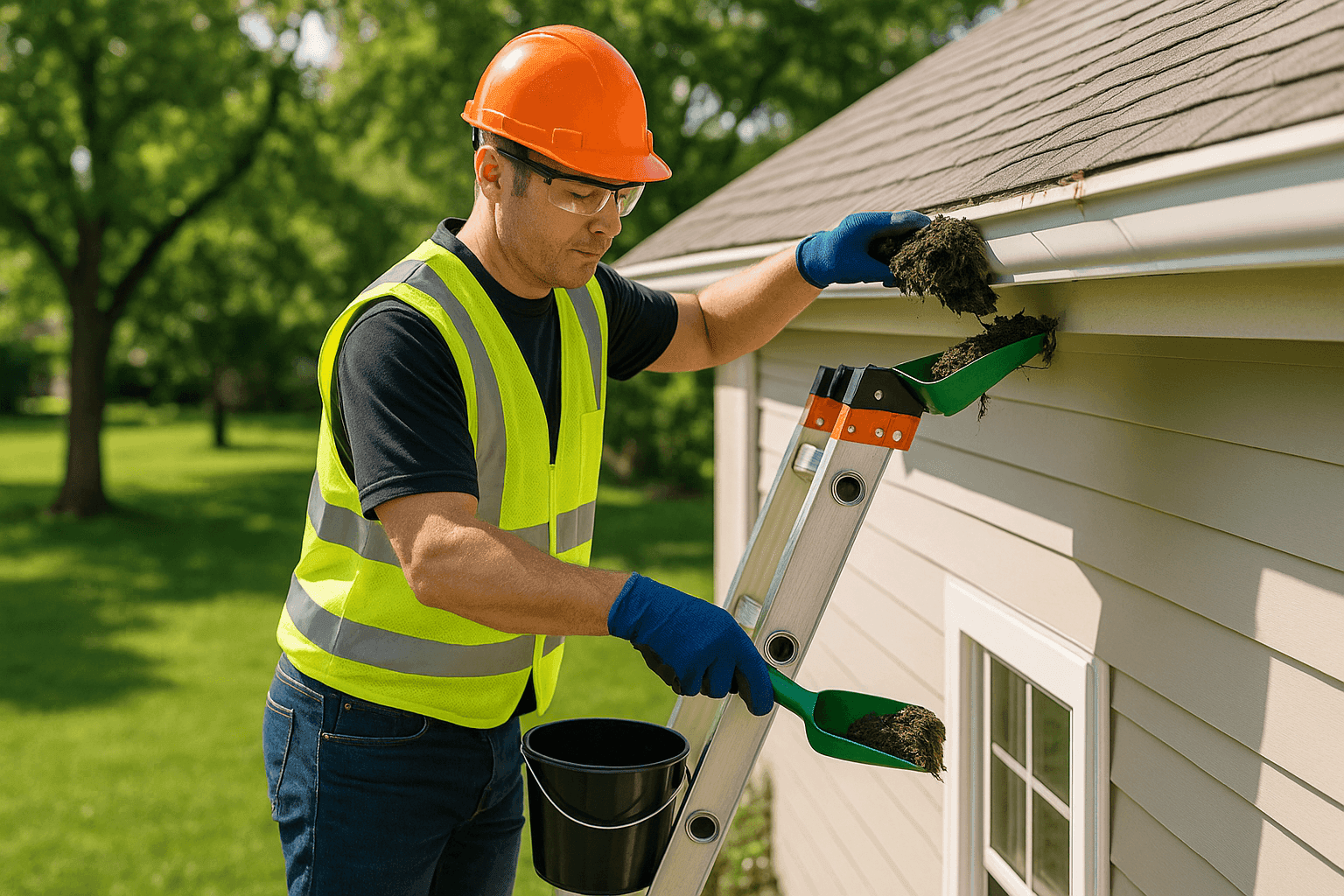
Sometimes, a small thing like a clogged gutter can snowball into a disaster. Water pours over the edge, seeps into your foundation, or finds its way under your shingles. Suddenly, you’re not just annoyed—you’re dealing with damaged walls, ruined landscaping, or even the need for emergency roofing.
At Rozzo Roofing, we know what happens when gutters get ignored. We’ve seen it all, from homes overrun by pests to businesses with flooded entrances. Our skilled, fully insured team handles gutter repair near you, day or night, so you don’t have to worry about “what if.” Let’s break down how often you should clean your gutters, what it costs, and how to stay safe every season.
Why Clean Gutters Matter: More Than Just Curb Appeal
Clogged gutters are like blocked arteries for your roof. Water can't flow where it should, so it finds somewhere else to go—inside. Here’s what’s at stake if you let debris pile up:
- Water damage: Overflowing gutters dump water next to your foundation or let it seep behind siding, causing rot and mold.
- Roof health: Standing water and soggy leaves rot the edges of your roof and eat away at shingles.
- Pests and critters: Wet, gunky gutters are a welcome mat for mosquitoes, birds, rodents, and even wasps.
- Landscape erosion: Water shooting off the roof can turn your flower beds into a muddy mess.
Think of your gutters as the raincoat for your house. If it’s full of holes, you’re going to get soaked.
Quick Safety Checklist Before You Start 🛑
Before you grab a ladder or a scoop, pause. Gutter cleaning sounds simple, but every year, thousands end up in the ER due to falls and accidents. Stick to these basics:
- Inspect your ladder: Use a sturdy, extendable ladder with slip-resistant feet. Always have a spotter if possible.
- Watch for power lines: Keep your ladder and tools away from electrical wires.
- Wear gloves and eye protection: Old gutters can hide sharp edges, bees, or even glass.
- Don’t overreach: Move the ladder instead of leaning too far sideways.
- Don’t work in storms or high wind: Wet roofs and strong gusts make accidents much more likely.
- Know your limits: If you feel unsteady, it’s time to call a pro.
For safety guidelines, the National Safety Council and OSHA both offer step-by-step ladder safety tips.
DIY vs. Call a Pro: Pros, Cons, and Real-World Advice
DIY gutter cleaning can feel satisfying, like mowing a wild lawn or fixing a leaky faucet. But it’s not for everyone. Here’s how the two paths stack up:
DIY: When It Makes Sense
- You’re comfortable on a ladder and have a single-story home.
- You have the right tools: gloves, scoop, hose, safety glasses.
- You’re not dealing with heavy clogs, weird gutter shapes, or major roof issues.
- You have the time. Most DIY cleans take 2–4 hours.
Drawbacks:
It’s messy, time-consuming, and can be risky if you have a steep roof, towering trees, or multi-story buildings.
When to Call a Pro
- Multi-story homes or businesses: Professionals have the gear and training for high, tricky jobs.
- Heavy clogs or downspout blockages: Sometimes, the blockage is deep in the pipes, not just in the troughs.
- You want a real inspection: Pros check for loose fasteners, leaks, and hidden damage.
- Disposal included: Rozzo Roofing hauls away all debris—no bags in your trash.
Bonus: Our technicians are fully insured. No risk for you, no worrying about hospital bills or accidental damage.
What Pros Do On Arrival
Wondering what happens when you schedule Rozzo Roofing for gutter cleaning or gutter repair near you? Here’s a peek behind the scenes:
- Arrival and safety check: We inspect the area, set up ladders safely, and watch for power lines.
- Thorough cleaning: Debris, leaves, shingle grit, and blockages are removed by hand or with specialized tools.
- Flush and test: Gutters and downspouts are flushed to check for hidden clogs and leaks.
- Inspection: We look for sagging, loose fasteners, rust, and damage to roof edges or flashing.
- Debris disposal: All mess is cleaned up and hauled away. Your property looks better than before.

Prevention & Maintenance: Stay Ahead of the Mess 🍂
You don’t have to make gutter cleaning a full-time hobby. With a few smart moves, you can stretch the time between deep cleans and prevent most problems.
Tips for year-round gutter health:
- Install gutter guards: These screens or covers keep out leaves and twigs but still need annual checks.
- Trim trees back: Less overhang equals less debris.
- Check after storms: High winds or hail can fill gutters overnight.
- Annual inspection: Even if you clean, have a pro check for leaks, sagging, or signs of critter nests.
- Watch for warning signs: Water stains, peeling paint, or pools near your foundation mean it’s time for action.
Costs & Time Factors: What to Expect
Gutter cleaning prices depend on:
- Size of your home or business: More stories = higher cost.
- Gutter length and accessibility: Difficult angles, landscaping, and roof pitch can add time.
- Condition of gutters: Heavy clogs or repairs will increase the bill.
- Frequency: Regular maintenance usually costs less than a once-a-year deep clean.
Typical range:
Most single-story homes fall between $125–$250 per cleaning. Larger or complex properties (think commercial or multi-family) can run higher. Emergency roofing services or major repairs—like replacing rotted fascia or downspouts—are separate.
Time:
A pro team can usually finish a residential job in 1–2 hours. DIYers: plan for half a day or more.
When It’s an Emergency: Act Fast
Sometimes, gutter problems can’t wait. Signs you need emergency roofing or immediate gutter repair near you:
- Water pouring off the roof or into windows during storms
- Visible sagging or separation from the house
- Flooding in your basement or crawlspace
- Downspouts torn off by wind or debris
Ignoring these can lead to rapid, expensive damage. Don’t wait—call Rozzo Roofing day or night. We’ll send a fully insured crew, handle the mess, and secure your home or business until repairs are complete.
FAQ: Gutter Cleaning & Gutter Repair
How often should I clean my gutters?
Most homes do best with cleaning twice a year—spring and fall. More often if you have lots of trees, pine needles, or frequent storms.
Can clogged gutters damage my roof?
Absolutely. Backed-up water can rot roof edges, damage shingles, and leak inside.
Do gutter guards mean I never need cleaning?
No. Gutter guards help, but small debris and roof grit still get through. Plan for a yearly checkup.
Is gutter cleaning covered by insurance?
Usually not, unless caused by a specific storm event. Maintenance is the owner’s responsibility.
Local & Seasonal Considerations: What’s Right for Your Region? 🌦️
How often you clean depends on your climate and landscape:
- Leaf-heavy regions (Midwest, Northeast): Clean in late fall after leaves drop and again in spring after pollen.
- Pine needles (Southeast, Northwest): Pine needles clog gutters fast—quarterly cleaning may be needed.
- Arid or low-tree areas: Once a year may be enough, but dust, seeds, and birds’ nests can still cause surprises.
- High pollen (Southern states): Spring cleaning is crucial, as sticky pollen clogs drains and attracts pests.
- Storm-prone areas: Always check gutters after major storms or hurricanes.
If you’re not sure, err on the side of more frequent inspections—especially if you see water stains, plants growing in gutters, or hear water where it shouldn’t be.
Don’t let a small problem turn into a big emergency roofing headache. For safe, reliable gutter cleaning, gutter repair near you, and every kind of roof service—residential or commercial—Rozzo Roofing is here when you need us.
Call Rozzo Roofing now — or reach us anytime at 888-598-3440 .