Residential vs. Commercial Roofing: Key Differences & What to Know
When rain pounds your ceiling or the wind rattles loose shingles at 2 a.m., the last thing on your mind is the technical difference between a home’s roof and the one above your local grocery store. But when the storm passes, and it’s time to call Rozzo Roofing for emergency roofing, knowing what separates residential from commercial systems makes a world of difference.
Whether you own a cozy bungalow or manage a sprawling warehouse, the stakes are high. Reliable roofing protects everything beneath it. That's why we bring dual accreditation and decades of hands-on experience to every project—so you can make confident, informed choices, no matter the roof.
The Challenge: Different Roofs, Different Rules 🏠🏢
Residential and commercial roofs are as different as a family sedan and a delivery truck. They both get you from A to B, but their needs, strengths, and maintenance routines don’t always overlap.
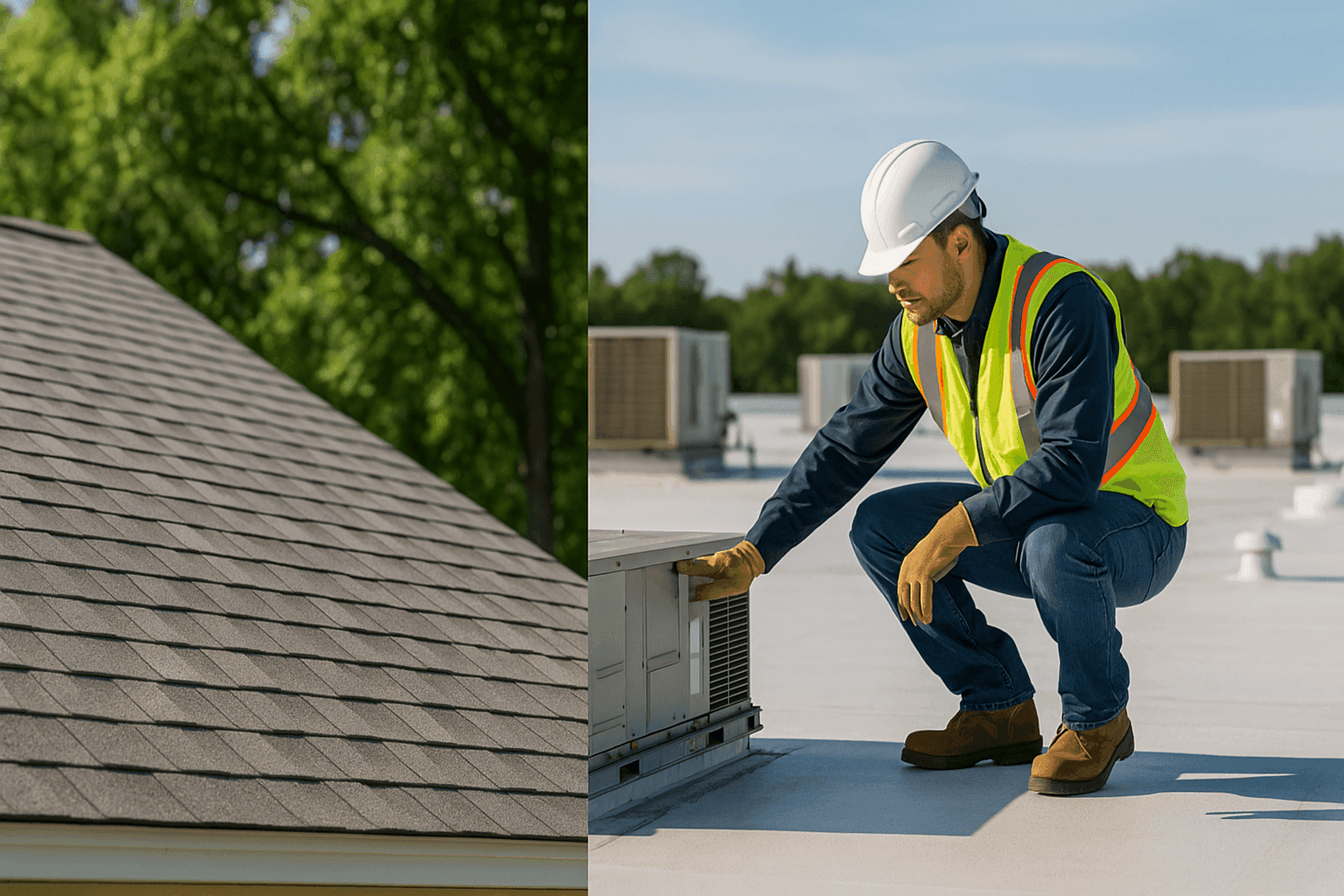
- Residential roofs: Usually pitched (angled), built for aesthetics and quick water runoff.
- Commercial roofs: Frequently flat or low-slope, designed for utility, equipment, and accessibility.
If you’re searching for “Gutter Repair near you” or facing a sudden leak, understanding these basics can help you communicate your needs and set realistic expectations.
Structure & Design
- Pitched vs. Flat: Most homes have pitched roofs—think of them as umbrellas, efficiently shedding water and snow. Commercial buildings favor flat roofs, like giant tables that must be watertight and support heavy equipment.
- Materials: Shingles, metal, and tiles dominate residential jobs. Commercial roofs often use membranes (TPO, EPDM), built-up layers, or metal.
- Weight & Span: Commercial roofs are engineered for larger spans and heavier loads (think HVAC units), while residential roofs focus on insulation and curb appeal.
Quick Safety Checklist Before You Inspect
Before climbing a ladder or poking at a leak, run through this checklist:
- Never inspect roofs during storms or high winds.
- Use sturdy shoes with good grip.
- Avoid stepping on wet, mossy, or damaged areas.
- Watch out for overhead power lines.
- For flat commercial roofs, stay clear of skylights and roof edges.
- If you spot structural sagging, stay off the roof entirely.
DIY or Call in the Pros?
Sometimes, a quick sweep of leaves from the gutter is all you need. Other times, a seemingly minor drip signals a much deeper problem.
DIY may be possible for:
- Cleaning gutters or downspouts.
- Removing minor debris.
- Temporary patching with roofing tape.
Call Rozzo Roofing for:
- Leaks that keep coming back.
- Large areas of missing shingles or flashing.
- Water stains on ceilings or inside walls.
- Sagging, pooling, or obvious structural changes.
- Emergency roofing situations (especially after storms).
When in doubt, it’s safer (and often cheaper in the long run) to have a professional inspection. Residential or commercial, some issues hide beneath the surface.
What Rozzo Roofing Pros Do on Arrival
When we get the call—day or night—here’s what to expect:
- Assessment: We’ll examine the roof’s age, structure, and recent weather events. For commercial roofs, we check for membrane punctures, pooling, and compromised seams. For homes, we look at shingles, gutters, and attic ventilation.
- Safety First: We follow OSHA guidelines, using harnesses and proper footwear—no exceptions.
- Immediate Solutions: If water is entering, we’ll deploy tarps, sealants, or temporary repairs to stop the damage.
- Documentation: Photos and notes for insurance or building code compliance.
- Clear Communication: You get an honest report, practical repair options, and a maintenance plan if needed.
Prevention & Maintenance: Your Roof’s Secret Weapon
Roofing isn’t just about fixing problems—it’s about stopping them before they start. Here’s how to keep both residential and commercial roofs in fighting shape:
- Routine Inspections: Twice a year is ideal (spring and fall).
- Gutter Cleaning: Prevents water back-up and ice dams.
- Sealants & Coatings: Extend lifespan, especially on flat commercial roofs.
- Check Flashing: Around chimneys, skylights, and vents. This is a common leak spot.
- Monitor Ventilation & Insulation: Stops moisture build-up and saves on energy costs.
The National Roofing Contractors Association (NRCA) and the International Building Code (IBC) both recommend regular inspections and prompt repairs. Prevention is always cheaper than restoration.
Costs & Time Factors: What to Expect
Every roof is unique—like snowflakes, but heavier. Here’s what typically affects costs and timelines:
- Residential Roofing: Repairs often completed in hours to a couple of days; full replacements can take 1–3 days. Materials (shingles, tiles, metal) and access affect price.
- Commercial Roofing: Repairs may take longer due to size and complexity. Flat roofs require more prep, and safety measures are more extensive. Membrane repairs and coatings can stretch over several days.
- Emergency Roofing: Prioritized, but weather and material availability play a big role.
Budget for regular maintenance. Small fixes today save big headaches tomorrow.
When It’s an Emergency
Some issues can’t wait. If you see:
- Water streaming inside during heavy rain
- Large sections of roof missing or peeled back
- Collapsed ceilings or widespread sagging
- Sparks, smoke, or exposed wiring after a storm
This is emergency roofing territory. Secure the area, stay safe, and call Rozzo Roofing immediately. We respond fast—any time, day or night.
FAQ: Your Most Pressing Roofing Questions
How do I know if my commercial roof needs replacement or repair?
If you notice persistent leaks, bubbling, or visible membrane damage, it’s time for a professional inspection. Age, repeated repairs, and water stains inside are red flags.
Can residential roofing materials be used on commercial buildings?
Not usually. Commercial roofs require materials designed for flat or low-slope surfaces, built to handle different stresses and code requirements.
How often should I have my roof inspected?
Ideally, twice a year—plus after major storms. Both the NRCA and local building codes support this frequency for safety and insurance compliance.
Is emergency roofing more expensive?
Emergency service often carries higher costs due to after-hours labor, urgent material needs, and rapid deployment. But delaying repairs typically leads to much bigger bills down the line.
Local & Seasonal Considerations
Weather shapes everything. In snowy or rainy climates, roofs need steeper pitches and robust gutter systems. Hot, sunny areas benefit from reflective coatings and proper ventilation. Local building codes (refer to your municipality or the IBC) dictate minimum standards for both residential and commercial roofing.
Seasonal maintenance is key. Clean gutters before fall, check for ice dams in winter, and don’t delay spring inspections—especially after heavy storms.
Curious about which roofing system fits your building—or facing a sudden leak? Call Rozzo Roofing now — or reach us anytime at 888-598-3440 .