Roof Flashing Repair: What It Is & Why It Matters
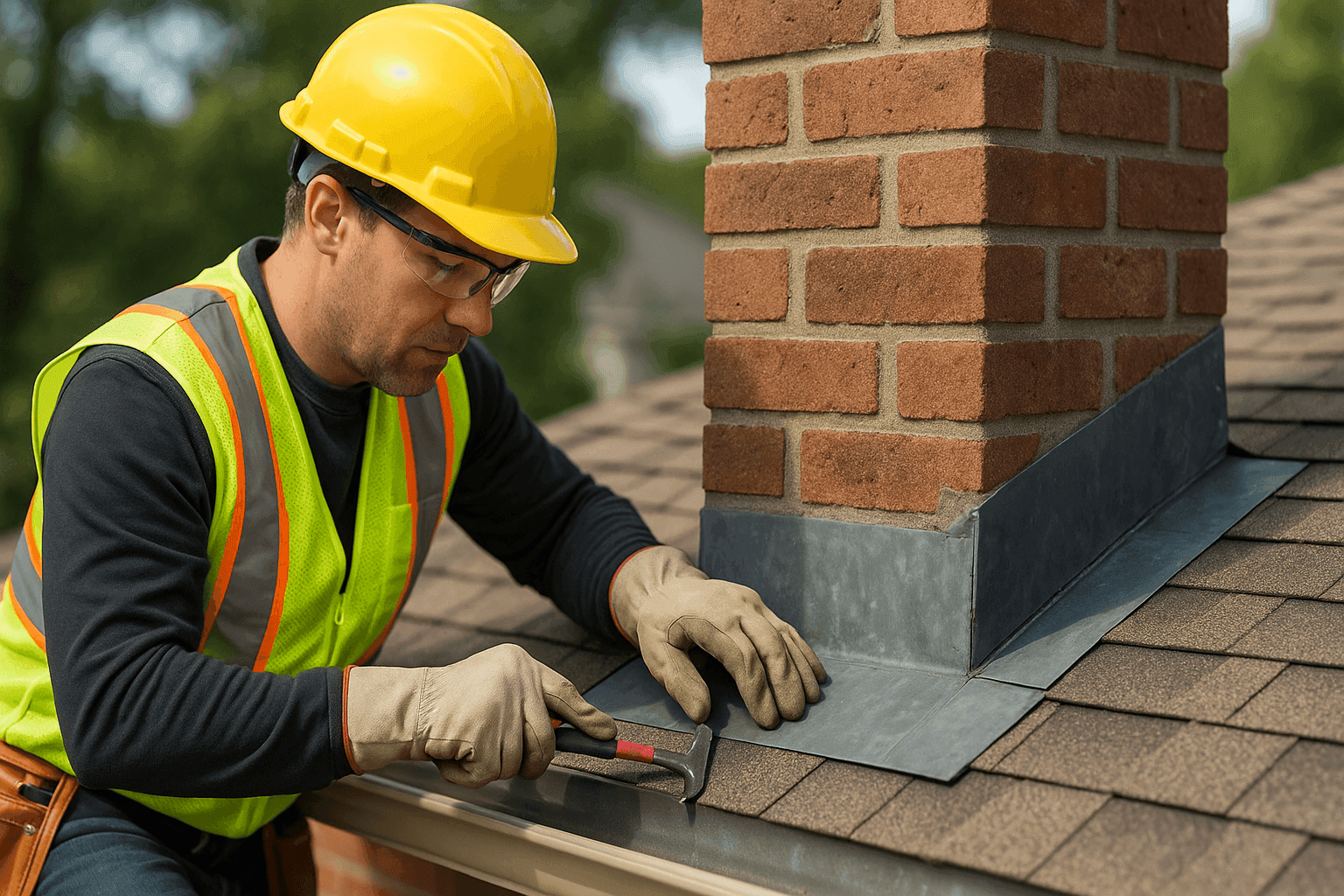
When water sneaks in, it never knocks. If you’ve spotted stains on your ceiling or heard the drip-drip after a storm, you know how fast a small roof leak becomes chaos. At Rozzo Roofing, we see it every week. Most of the time? Faulty flashing is the hidden culprit.
Roof flashing is like the unsung hero of your roof. It’s not glamorous, but it keeps the whole system working. One slip-up, and water finds a way inside—fast. Here’s what you need to know to keep your property dry, safe, and standing strong.
The Problem: What Is Roof Flashing? Why Does It Matter? 🛑
Picture the metal trim around your chimney, where two roof slopes meet, or around a skylight. That’s flashing. It’s usually made of aluminum, galvanized steel, or copper. Its job? Simple. Direct water away from the seams and joints on your roof, like a gutter for the gaps.
Where You’ll Find Flashing
- Chimneys and skylights
- Roof valleys (where two slopes meet)
- Roof edges, eaves, and rakes
- Vents and pipes poking through the roof
Without flashing, rainwater sneaks under shingles and seeps into your attic, insulation, and walls. That’s when wood rots, mold grows, and ceilings sag. The damage adds up quickly—especially if you don’t spot it early.
Common Flashing Issues
- Rust or corrosion (especially older metal)
- Loose, missing, or bent flashing
- Gaps between flashing and roof material
- Dried-out or cracked sealant
- Water stains or leaks inside—often above windows, near fireplaces, or in the attic
Quick Safety Checklist for Homeowners
Before you grab a ladder or binoculars, pause. Roof work is risky. Safety first:
- Never climb on a wet or icy roof.
- Use a sturdy, well-placed ladder.
- Don’t step near roof edges or on slippery surfaces.
- Wear gloves—flashing edges are sharp.
- If anything feels unsafe, step back.
If you’re unsure, let a professional handle it. According to the National Roofing Contractors Association (NRCA), falls are the leading cause of injury for DIY roof repairs.
DIY vs. Call a Pro: Why Flashing Isn’t a Quick Fix
It’s tempting to patch a leak with a tube of caulk or slap on some sealant. But flashing repair is more like surgery than a band-aid.
Why DIY Is Risky
- Flashing has to be installed under roofing materials—not just on top.
- Improper repairs can trap water, making leaks worse.
- You might miss hidden damage, like soggy insulation or rotted decking.
- Warranty and insurance coverage may be void if repairs aren’t done right.
Think of it like plumbing: you wouldn’t just tape a leaking pipe and hope for the best. Emergency roofing repairs need trained eyes and hands.
What Pros Do On Arrival
Our crews at Rozzo Roofing follow a proven process, whether it’s emergency roofing or scheduled maintenance.
Step-by-Step Approach
- Inspection: We check all vulnerable zones—chimneys, skylights, valleys, vents, and eaves. We look above and below the roofline.
- Documentation: Before/after photos show hidden trouble and prove results.
- Assessment: We test for soft spots, water stains, rust, and loose flashing.
- Repair or Replace: Damaged sections are removed, new flashing is installed or sealed using code-approved methods (see International Residential Code R903.2.1).
- Seal and Test: Every seam is sealed, and water flow is checked.
- Cleanup: Leftover scraps or nails are removed for safety.
Real-World Example
A recent client called after noticing a brown spot on the ceiling. We traced it to a rusted valley flashing, hidden under three layers of shingles. After removal and replacement, the leak stopped cold—and we showed the homeowner before/after photos so they knew exactly what changed.
Prevention & Maintenance: Keeping Flashing Strong
Flashing is tough, but it’s not immortal. Here’s how to stretch its lifespan:
- Schedule annual roof inspections—especially after storms.
- Clean gutters and downspouts often (clogged gutters = water backup).
- Check for loose nails, bent metal, or dried-out sealant.
- Trim back trees or branches to prevent impact damage.
- Address minor repairs before they grow into emergencies.
The National Roofing Contractors Association recommends checking flashing at least twice a year.
Costs & Time Factors
Roof flashing repair ranges from quick fixes to full replacements. Several factors influence the cost and time involved:
What Affects the Price?
- Location (chimney, valley, skylight, etc.)
- Extent of damage (rust, missing sections, wood rot)
- Accessibility (steep roofs take longer)
- Material (copper, steel, aluminum)
Most repairs take a few hours, but severe damage or extensive rot can require a full day or more.
Tip: Emergency roofing services may add to the bill, but catching leaks early saves thousands down the road.
When It’s an Emergency 🚨
Water pouring in after a storm? Ceilings bulging, insulation soggy, or electrical issues? That’s an emergency. Flashing failures can quickly threaten your home’s structure and safety.
If you spot:
- Active leaks during rain
- Large stains or bubbling paint on ceilings/walls
- Sagging or cracked drywall
Call for emergency roofing help immediately. Mold and rot move fast.
FAQ: Flashing Repair Questions
How long does roof flashing last?
With regular inspections, flashing can last 10–30 years, depending on material and exposure.
Can you replace just one section?
Yes, but only if the surrounding roof and materials are still in good shape.
Is flashing repair covered by insurance?
If it’s storm damage or sudden impact, often yes. Wear and tear usually isn’t covered—check your policy.
Can I use sealant instead of metal flashing?
Sealant is a temporary fix. Metal flashing is required by building codes for long-term performance.
Local & Seasonal Considerations
Every region brings its own roofing headaches. In snowy climates, ice dams can force water under flashing. In hot, sunny areas, metal can expand and contract, loosening nails and joints. Heavy rains or wind-driven storms? Flashing takes the first hit.
If you’re searching for “Gutter Repair near you” or “emergency roofing,” make sure your contractor knows local weather patterns and building codes.
Final Thoughts: Protect Your Roof, Protect Your Home
Flashing is the silent sentinel guarding your home or business from water damage. When it fails, things get messy—fast. Don’t wait for stains or soggy insulation to tell you something’s wrong. Stay ahead with regular inspections, quick repairs, and a team that knows the ropes.
Call Rozzo Roofing now — or reach us anytime at 888-598-3440 .