Roof Replacement vs. Repair: How to Decide & Save Money
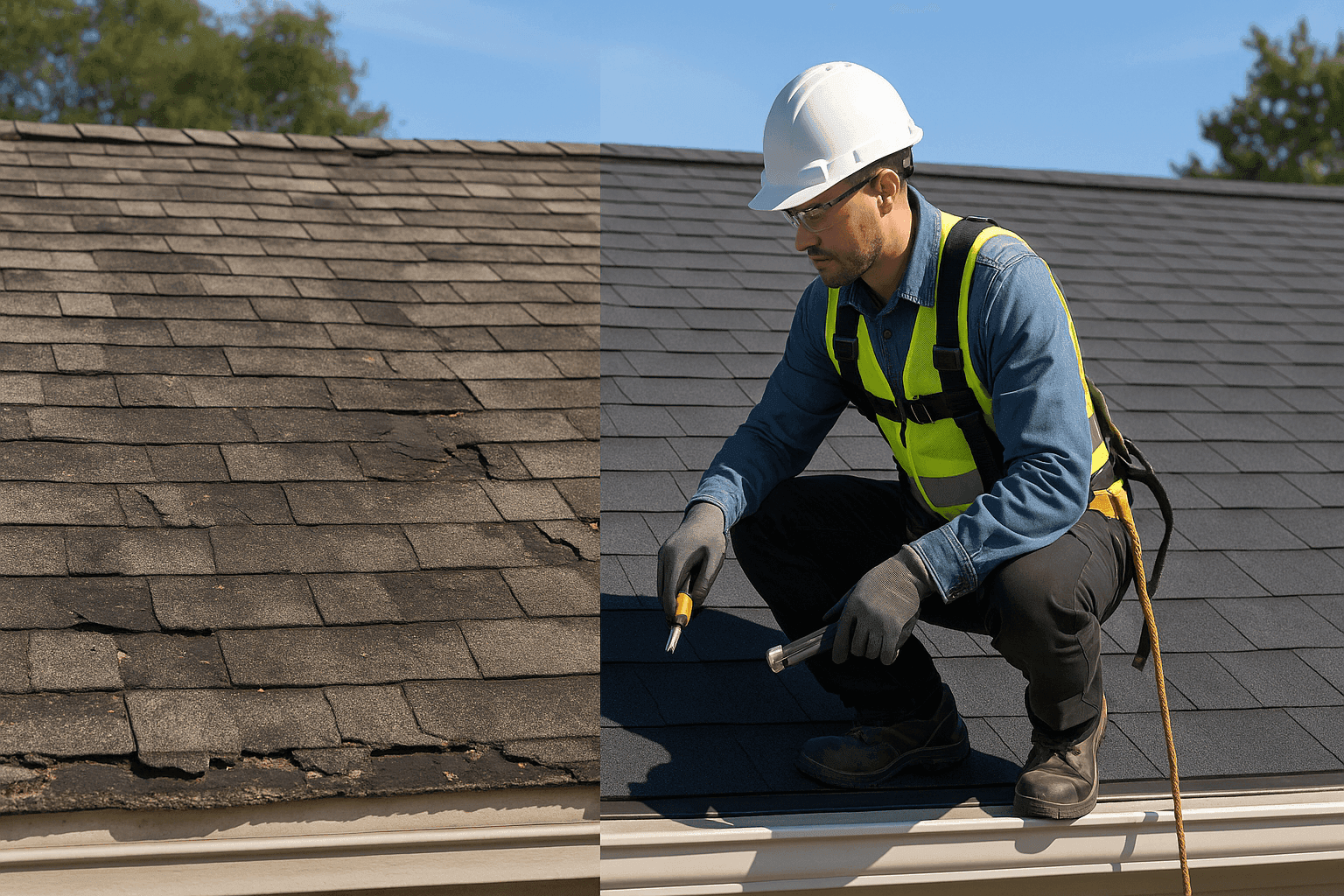
The rain keeps tapping. The wind howls. You spot a water stain on your ceiling and your stomach drops. Is it just a patch job this time? Or is your roof waving the white flag for good?
At Rozzo Roofing, we know those moments are stressful. Whether you’re a homeowner or managing a commercial building, the decision between roof repair and roof replacement is never simple. But making the right call can save you thousands—and a lot of headaches down the road.
Signs You Need Repair vs. Replacement
Deciding between a quick fix and a full overhaul is a bit like deciding when to replace your shoes. Sometimes, a stitch will do. Other times, the sole’s gone.
Consider these factors:
- Age of the Roof: Asphalt shingles last 15–30 years. Metal, tile, and flat roofs can last longer with proper maintenance. If your roof is nearing the end of its expected lifespan, repairs may only buy you time.
- Number & Severity of Leaks: A single, isolated leak? Probably repairable. Multiple leaks in different areas? Often a sign of widespread failure.
- Storm or Hail Damage: One or two missing shingles after a storm? Repair. Extensive shingle loss or visible deck damage? Replacement may be safer.
- Condition of Shingles/Materials: Curling, cracking, moss, or missing granules point toward replacement.
- History of Repairs: If you’re calling for emergency roofing every few months, investing in a new roof often makes more sense than patching the old one.
- Structural Issues: Sagging, rotting decking, or damaged flashing signal deeper problems.
Think of your roof as a shield. If it’s full of holes, patching won’t keep the rain out for long.
Quick Safety Checklist 🛑
Before you do anything, safety first. Here’s what to check right away:
- Stay off a visibly sagging roof. Structural instability can lead to collapse.
- Look for water near electrical outlets or fixtures. Turn off power to affected areas.
- If you see daylight through the attic ceiling, avoid entering.
- Check for hanging gutters, loose flashing, or chimney leaks.
- Wear proper footwear and use a sturdy ladder if you must inspect from outside.
The National Roofing Contractors Association (NRCA) recommends never walking on a wet or icy roof. Leave dangerous inspections to professionals.
DIY vs. Call a Pro
Everyone loves a good weekend project, but roofing isn’t like fixing a squeaky door.
DIY is reasonable for:
- Clearing gutters and downspouts
- Replacing one or two loose shingles (if safe)
- Applying temporary sealant to small leaks
Call in the pros for:
- Persistent leaks or stains inside
- Storm, hail, or wind damage
- Sagging, bowing, or structural damage
- Large or multi-layered roof systems (flat, metal, tile, etc.)
- Skylight, flashing, or chimney repairs
Sometimes, what looks like a minor leak is just the tip of the iceberg. Water travels in sneaky ways, and what you see inside could be coming from a very different spot on your roof.
What Pros Do On Arrival
When Rozzo Roofing arrives, we don’t just slap on a shingle and call it a day. Here’s our process:
- Thorough inspection: Inside and out—attic, decking, flashing, gutters, and roof surface.
- Photo documentation: Before and after images for your records and any insurance needs.
- Moisture mapping: Using tools to spot hidden water damage below the surface.
- Clear repair or replacement recommendations: We’ll show you exactly where the issues are and explain your options in plain language.
- Warranty details: Written materials warranty and labor information, so you know what’s covered.
We follow building codes and manufacturer guidelines for all repairs and replacements. For commercial properties, OSHA safety standards are always observed.
Prevention & Maintenance Tips
A stitch in time saves nine—and a little love for your roof can prevent emergencies.
- Schedule regular inspections (at least once a year, or after major storms).
- Clean gutters and downspouts each season to prevent water backup and ice dams.
- Trim trees away from your roof to avoid impact damage and excessive shade (which leads to moss).
- Check attic ventilation and insulation to reduce moisture buildup and heat damage.
- Address minor repairs early, before they snowball into big problems.
- Use eco-friendly sealants and coatings if you’re looking to boost efficiency and roof life.
The National Roofing Contractors Association and the International Building Code (IBC) provide guidelines for proper roof maintenance. Following these standards helps maximize your roof’s lifespan and reduce emergency calls.
Costs & Time Factors
Let’s talk numbers. While costs vary by material, roof size, and location, here’s what to expect:
Roof Repair:
- Small leaks, minor shingle repairs: Lower cost, quicker turnaround (often same day or within a few hours).
- Moderate repairs: Flashing, vent, or skylight fixes run higher.
- Complex or repeated repairs: Costs add up quickly. If you’re repairing the same area multiple times, consider replacement.
Roof Replacement:
- Full tear-off and installation: Higher upfront cost, but includes new underlayment, flashing, and often upgraded materials.
- Time: Most residential roofs can be replaced in 1–3 days; commercial projects or specialty materials may take longer.
- Warranties: New roofs typically come with better coverage, which can offset long-term costs.
Sample cost ranges:
- Minor repair: $300–$1,500
- Moderate repair: $1,500–$4,500
- Full replacement (avg. home): $9,000–$25,000+
- Flat or commercial roof: Varies widely, but can exceed $40,000 depending on size and material.
Tip: Always factor in the “hidden costs” of putting off needed work—like water damage, mold remediation, or increased insurance premiums.
When It’s an Emergency
Storm roaring overhead? Water pouring in? That’s when “emergency roofing” becomes more than just a phrase.
Act fast if you see:
- Active leaks during storms
- Sagging or collapsing ceiling sections
- Shingles or roofing materials scattered on the ground
- Exposed decking or insulation
Rozzo Roofing offers 24/7 response for emergencies. Our team will tarp, stabilize, and protect your property—then work with you on the best permanent fix.
Insurance tip: Document damage with photos and contact your insurer quickly. Many home and business policies cover sudden storm or accidental roof damage, but require prompt action.
Roof Replacement vs. Repair: Pros & Cons
Roof Repair
- Pros: Lower upfront cost, faster turnaround, less disruption.
- Cons: May be a temporary fix, especially for older roofs. Ongoing repairs can add up.
Roof Replacement
- Pros: Long-term solution, often increases property value, better warranties, improved curb appeal.
- Cons: Higher upfront cost, more time to complete, larger disruption (though we work fast!).
Impact on Home Value: A new roof is one of the highest-ROI home improvements (source: National Association of Realtors). For commercial properties, a well-maintained or new roof can improve tenant retention and lower maintenance costs.
Insurance Impact: Insurers may offer better rates on newer roofs. Repeated claims for leaks or storm damage on an old roof could raise your premiums or lead to denied coverage.
Decision Checklist ✅
Still torn? Run through this list:
- Is your roof over 20 years old?
- Multiple or recurring leaks?
- Recent severe storm or visible damage?
- Ongoing repairs costing more than 25% of a new roof?
- Planning to sell or refinance soon?
- Noticeable sagging, rot, or unsafe areas?
If you answered yes to several, replacement might be the better investment. If not, targeted repairs could buy you more time.
Testimonials & Before/After Images
“Rozzo Roofing’s team was there within hours after a major storm. They explained everything, showed me photos, and got our business back up in no time. Highly recommended.”
— Anthony, Commercial Property Owner
“We thought we needed a new roof, but Rozzo Roofing found it was just flashing damage. They fixed it, showed before/after pictures, and saved us thousands.”
— Maria, Homeowner


FAQ
How do I know if it’s time for a full roof replacement?
If your roof is past its expected lifespan, has widespread damage, or you’re spending a lot on repeated repairs, replacement is often the smarter move.
Can I just patch a leak myself?
Small leaks can sometimes be handled with DIY sealants, but hidden water damage is common. If in doubt, have a professional inspect it.
Will insurance cover storm damage?
Most policies cover sudden, accidental damage (like storms or fallen branches), but routine wear and tear isn’t covered. Always check your policy.
How often should I have my roof inspected?
At least once a year, and after any major weather event. Preventative maintenance is the best way to avoid surprises.
Local and Seasonal Considerations 🌦️
Roofs in regions with heavy snow, hail, or hurricanes face unique challenges. Gutters and downspouts need frequent checks. Metal roofs shed snow better, while tile suits warmer climates but can crack in freeze/thaw cycles.
Seasonal temperature swings can cause materials to expand and contract, leading to flashing and sealant failures. Schedule maintenance in spring or fall for best results.
Looking for “Gutter Repair near you” or seasonal maintenance? Rozzo Roofing is equipped for every climate and roof type.
Making the right call between roof repair and roof replacement isn’t just about cost—it’s about safety, value, and peace of mind. We’re always ready to lend a hand, day or night, for emergencies or scheduled work.
Call Rozzo Roofing now — or reach us anytime at 888-598-3440 .