Roof Ventilation & Insulation: Boost Comfort & Lower Energy Bills
It’s that time of year again. Your energy bill spikes. Upstairs feels like a sauna or a chilly cave. You spot a water stain or catch a whiff of musty air. Sound familiar?
Your roof’s ventilation and insulation might be crying out for help. At Rozzo Roofing, we’ve seen it all—from ice dams that wreck gutters to heat that cooks shingles, and everything in between. When these systems fail, comfort, safety, and even your wallet take the hit.
Why Roof Ventilation & Insulation Matter
Think of your roof as the hat and scarf for your building. Without the right balance of “breathing” (ventilation) and “blanketing” (insulation), things go sideways. Heat escapes in winter, causing ice dams that chew up your gutters and shingles. In summer, attic temps soar, baking everything below and making your AC work overtime. Humidity gets trapped, setting up a welcome mat for mold.
Common Issues We See
- Ice Dams: When snow melts and refreezes at the eaves, it can force water under shingles. That leads to leaks and gutter repair needs—fast.
- Mold & Mildew: Poor airflow means trapped moisture, which feeds mold. Bad for your health and tough on your roof.
- Heat Loss: Drafty attics spill warm air outdoors in winter, and let the heat in during summer.
- Peeling Paint & Warped Decking: Moisture build-up inside the attic can bubble paint and twist wood.
- High Energy Bills: Your HVAC system has to work double-time to make up for a roof that doesn’t pull its weight.
Quick Safety Checklist 🛡️
Before you climb in the attic or poke around the roof, keep these in mind:
- Turn off or cover electrical sources when working near insulation.
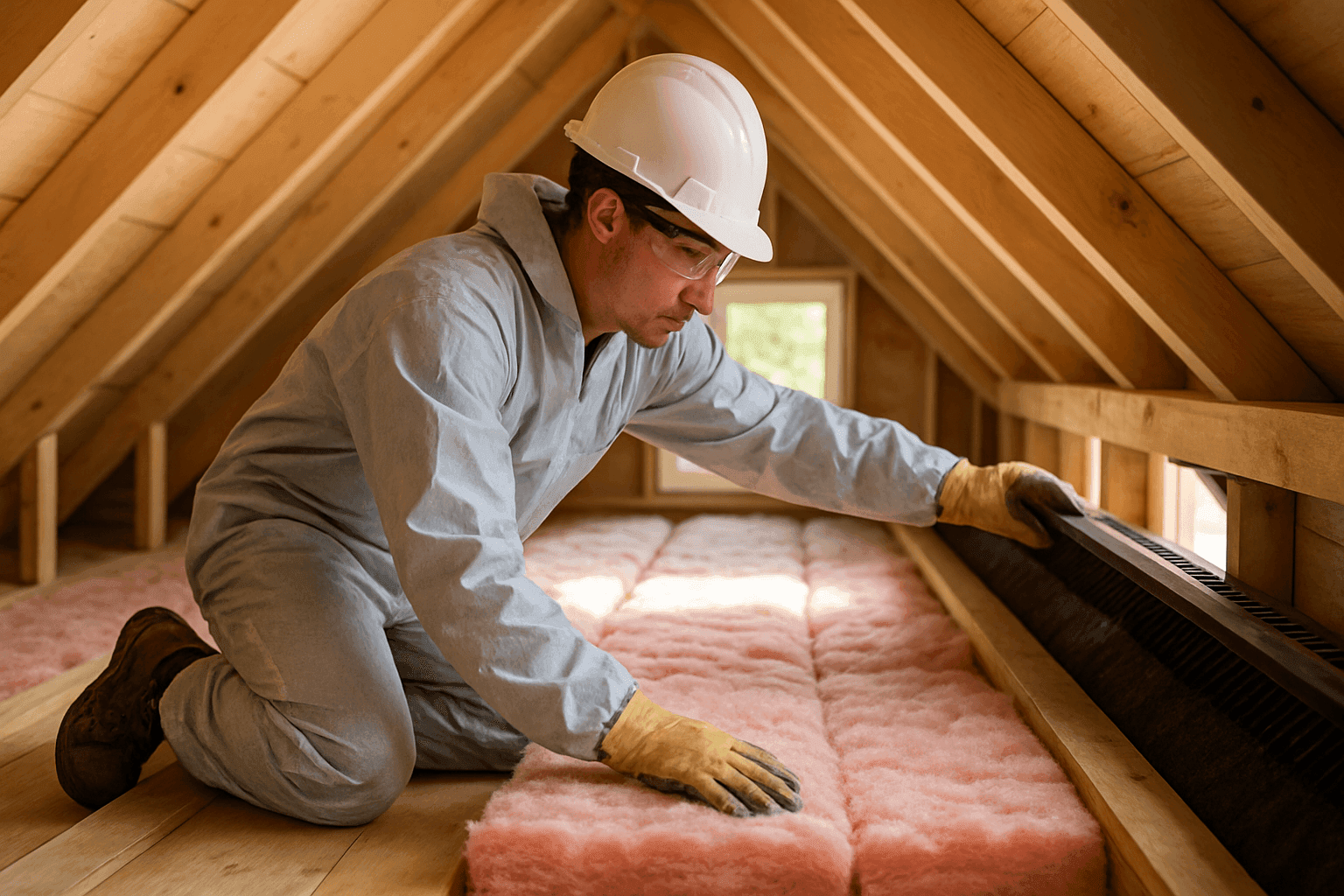
- Always wear gloves, a dust mask, and eye protection.
- Use sturdy ladders and never work alone—especially for emergency roofing situations.
- Watch for signs of animal nests or exposed wires.
- If you spot mold, avoid disturbing it. Call a pro.
DIY vs. Call a Pro
Some folks love a Saturday project. But roof ventilation and insulation aren’t like painting a fence—they’re more like tuning the engine under the hood.
DIY is possible if:
- You’re adding a layer of batt insulation in an easy-to-access attic.
- You’re checking vent screens for blockages.
Call in Rozzo Roofing if:
- There’s water damage, sagging, or visible mold.
- You’re not sure what’s up there (old insulation can hide surprises).
- You need emergency roofing services, like after a storm.
- You want an energy audit or a code-compliant upgrade.
What Pros Do On Arrival
When Rozzo Roofing shows up, our certified installers bring more than just tools:
- Full Inspection: We check attic airflow, insulation levels, and look for leaks or blocked vents.
- Infrared Scanning: Pinpoints heat loss and hidden moisture.
- Ventilation Assessment: We recommend ridge vents, attic fans, or soffit vents based on your roof’s design.
- Insulation Options: Fiberglass, cellulose, spray foam—we’ll explain what fits your needs and budget.
- Energy Audit: We measure where energy escapes and suggest practical fixes.
Case Study: Before & After
A local business called after a rough winter. Ice dams had wrecked their gutters and water was seeping inside. After a roof inspection and energy audit, we added ridge vents and upgraded their attic insulation. The next winter? No ice dams. Energy bills dropped by 22%. Staff and customers were more comfortable—no more drafty offices.
Prevention & Maintenance Tips 🧰
- Check vents every season: Make sure they’re clear of debris, nests, or snow.
- Inspect insulation: Compressing or wet spots mean it’s time for a refresh.
- Seal attic air leaks: Use caulk or spray foam around pipes and wiring.
- Schedule annual inspections: Early detection saves big headaches—and repairs.
Costs & Time Factors
Every building is different, but here’s what to expect:
- Time: Most attic ventilation or insulation upgrades take 1–2 days. Emergency roofing repairs can be same-day.
- Cost Drivers: Size of area, type of insulation, complexity of vent installation. Materials like spray foam cost more but insulate better.
- Energy Savings: According to the U.S. Department of Energy, proper insulation can save 10–50% on heating and cooling.
When It’s an Emergency
Some problems can’t wait for good weather. If you spot:
- Sudden water stains on ceilings after a storm,
- Peeling paint or sagging drywall,
- An unexplained spike in utility bills,
- Or visible mold in the attic,
Call Rozzo Roofing. Our emergency roofing team responds quickly to secure your property and stop further damage.
FAQ
How can I tell if my attic is under-ventilated?
If your attic feels like a sauna in summer or a freezer in winter, that’s a clue. Frost buildup, musty smells, or damp insulation are all red flags.
What’s the best insulation for my roof?
It depends on your climate and roof style. Fiberglass batts are common, but spray foam offers high efficiency for tricky spaces. We’ll help you choose what’s right for you.
Will better ventilation really lower my energy costs?
Yes. Balanced airflow keeps attic temps stable, so your HVAC system doesn’t work as hard. That means lower bills year-round.
Do I need a permit to add vents or insulation?
Local building codes vary. Rozzo Roofing always checks municipal requirements and follows International Residential Code (IRC) guidelines for safe, legal installations.
Local & Seasonal Considerations 🌦️
From icy northern winters to humid southern summers, ventilation and insulation need to be tailored for your region. Snow-prone areas face ice dams, while hot climates fight attic heat. In all cases, regular inspections and seasonal gutter cleaning (search "Gutter Repair near you" for fast service) help prevent costly emergencies.
For commercial buildings, especially flat roofs, special vent systems and insulation layers are critical to avoid pooling water and interior leaks.
Ready to stop guessing and start saving? Call Rozzo Roofing now — or reach us anytime at 888-598-3440 .