Sealants & Roof Coatings: Extend Roof Life & Stop Leaks
When rain starts dripping through your ceiling or you spot a strange stain above your desk, panic is natural. You don’t want to replace your whole roof if you don’t have to. We get it. At Rozzo Roofing, we see it all the time—emergency roofing calls from homeowners and businesses desperate to stop leaks fast.
The good news? Roof sealants and coatings can add years to your roof’s life, and stop water in its tracks if applied at the right moment, the right way.
Why Roof Sealants & Coatings Matter
Think of your roof as a raincoat for your building. Over time, even the best raincoat gets thin, cracked, or leaky. Roof sealants and coatings are like a fresh layer of waterproof protection—patching weak spots, smoothing over rough patches, and sealing cracks you can't even see.
But not every roof is a good candidate. And not every problem is solved with a bucket and a brush. Sealants and coatings work best on certain types of roofs and at certain stages of wear.
What Are Roof Sealants & Coatings?
Roof sealants are thick liquids or pastes applied directly to seams, cracks, or around features (like skylights and chimneys). They’re the caulk and glue of the roofing world—flexible, sticky, and designed to keep moisture out.
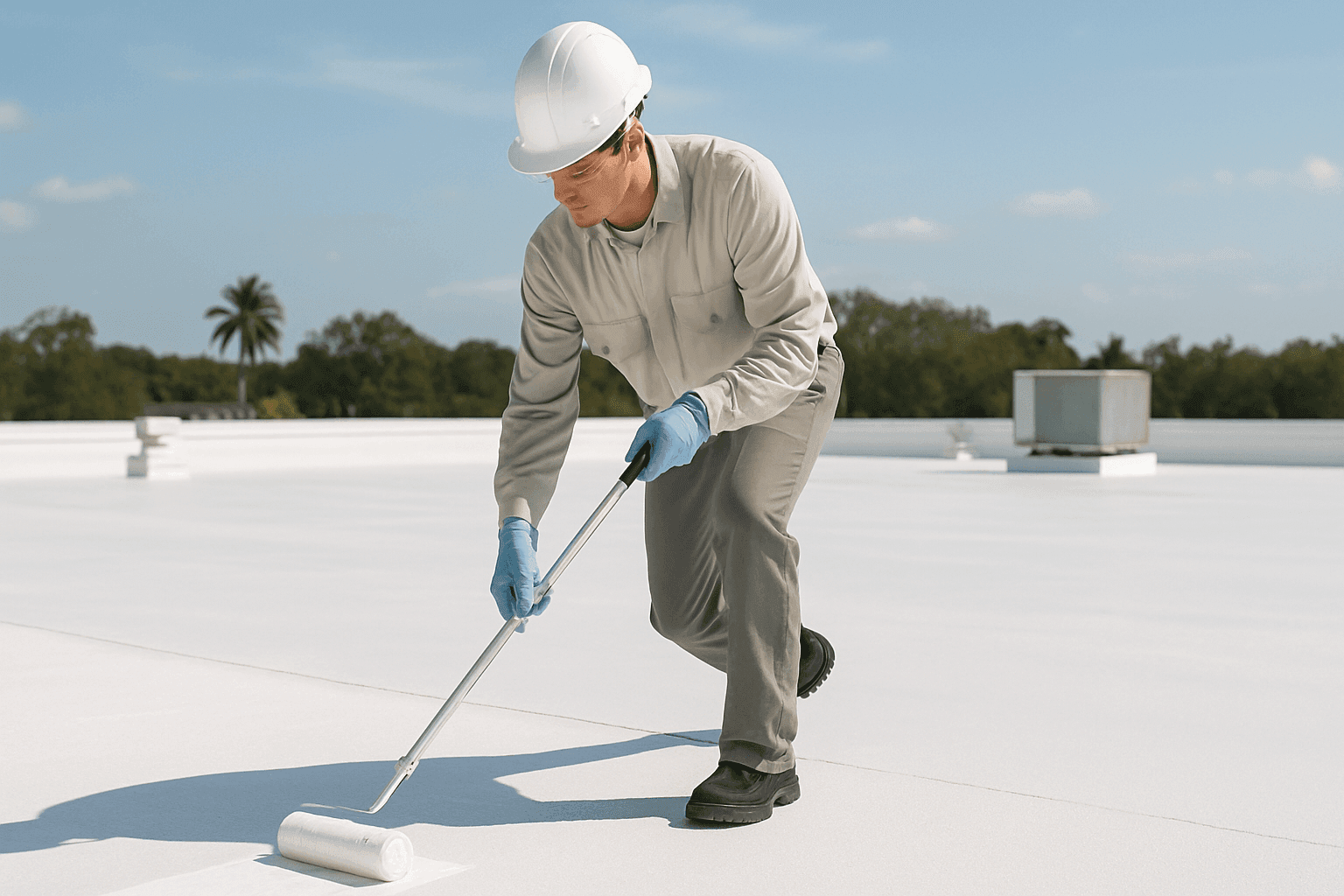
Roof coatings are like painting on a new waterproof skin. They cover larger areas—entire flat roofs, gentle slopes, even metal or older shingle roofs—forming a protective barrier that reflects sun and repels water.
Types You’ll See Most
- Silicone – Great for ponding water, flexible in heat and cold.
- Acrylic – Budget-friendly, reflects sunlight, but can wear faster.
- Polyurethane – Tough against foot traffic and hail.
- Asphalt-based – Classic, good for certain flat or low-slope roofs.
Who Benefits Most?
- Flat commercial roofs: Coatings are a game-changer here, especially for emergency roofing situations.
- Metal roofs: Stops rust, seals seams.
- Older shingle or tile roofs: Buys time, seals out leaks until replacement.
- Gutter Repair near you: Sealants are quick fixes for seams and minor cracks.
- Around skylights, chimneys, vents: Where leaks love to start.
Quick Safety Checklist 🛑
Before you or anyone climbs up to fix a leak, check these:
- Weather: Never work on a wet, icy, or windy roof.
- Harness: Use a certified fall arrest system (see OSHA guidelines).
- Shoes: Non-slip, clean soles only.
- Ladders: Lock in place, always on stable ground.
- Power lines: Stay far, far away.
- Protective gear: Gloves, goggles, long sleeves.
If you’re unsure about any of these, step back. Your safety comes first.
DIY vs. Call a Pro
It’s tempting. You spot a tub of sealant at the hardware store, and the label promises miracles. But applying roof sealants or coatings is more like patching a boat hull than slapping paint on a fence.
DIY Risks
- Missed leaks: Water travels. The leak inside may be far from where you see stains.
- Wrong product: Using the wrong sealant can make things worse, not better.
- Application errors: Too thin, too thick, or applied in the wrong weather means wasted time and money.
- Warranty void: Many manufacturers require pro application for warranty coverage.
Why Professional Application Matters
Rozzo Roofing’s team is manufacturer-trained. We know which products work best for your specific roof, how to prep surfaces, and how to spot hidden damage. Plus, our work is eligible for manufacturer warranties—giving you peace of mind.
What Pros Do On Arrival
Here’s what to expect when Rozzo Roofing answers your emergency roofing call:
- Inspection: We’ll walk the roof, check flashing, gutters, downspouts, and look for signs of hidden leaks.
- Prep: Clean surfaces thoroughly—removing dirt, old coatings, and debris. On commercial jobs, this can mean power washing.
- Spot Repairs: Seal cracks, joints, or seams with the right sealant.
- Coating Application: Roll or spray on the chosen roof coating, ensuring even thickness and no missed spots.
- Final Checks: We inspect again for coverage, especially around problem areas like skylights and chimneys.

Prevention & Maintenance
Sealants and coatings are not a one-and-done fix. Think of them as regular oil changes for your roof.
Maintenance Tips
- Annual Inspections: Especially after storms or heavy snow.
- Gutter Cleaning: Clogged gutters cause water to back up, beating up coatings and flashing.
- Downspout Repair: Quick fixes here stop water from pooling.
- Preventative Maintenance: Schedule every spring or fall.
Pros & Cons of Roof Sealants & Coatings
Pros
- Extends roof life by 5–15 years (depending on type and conditions)
- Reflects sun, reducing cooling bills (especially white coatings)
- Seals minor cracks, slows leaks
- Less disruptive than full roof replacement
- Eco-friendly options available
Cons
- Not a cure-all for major structural damage
- Needs proper prep and weather conditions to work
- Some coatings require reapplication every 5–10 years
- Won’t fix underlying rot, mold, or major leaks
Lifespan and Cost Factors
How Long Do They Last?
- Silicone: 10–20 years with maintenance
- Acrylic: 5–10 years, possibly longer with good prep
- Polyurethane: 10–15 years, tough in harsh conditions
- Asphalt-based: 5–7 years
What Affects Cost?
- Roof size and complexity
- Type of coating or sealant
- Prep work required (cleaning, repairs, priming)
- Accessibility (steep pitches, multiple stories)
- Weather and timing—rush jobs in winter or storm season may cost more
Note: While DIY kits cost less upfront, improper application often means paying twice—first for the kit, then for the fix.
When It’s an Emergency 🚨
A sudden leak after a storm? That’s when emergency roofing makes all the difference. Coatings and sealants can provide a quick barrier, buying you time until permanent repairs are possible. But if water is pouring in or electrical systems are at risk, call Rozzo Roofing immediately. Water damage waits for no one.
FAQ
Should I coat my brand new roof?
Usually not. Most new roofs are already fully sealed. Coatings are best for aging or flat roofs, or where leaks are starting.
Can coatings fix a roof with major leaks?
No. They’re designed for minor leaks, cracks, and to extend the life of a roof in good condition. Severe leaks or sagging require repairs first.
Are coatings safe for all roof types?
Most flat and many metal roofs are ideal. Ask Rozzo Roofing about shingle, tile, or specialty materials—some need special prep or may not be suited for coatings.
How soon after rain can coatings be applied?
Most require the surface to be 100% dry. This may mean waiting 24–48 hours after rainfall.
Local & Seasonal Considerations
In many areas, spring and fall are the best times for sealants and coatings. Too hot, and the product can cure too fast or bubble. Too cold, and it may not bond at all. Humidity also matters—watch for dry, mild days.
Pro tip: Schedule inspections and coatings before storm season or heavy snow. Preventative timing is everything.
When to Reach Out
A drip today could become ceiling damage tomorrow. If you’re facing leaks, storm damage, or need Gutter Repair near you, Rozzo Roofing is ready to help. Our manufacturer-trained crews handle emergencies and routine maintenance—backed by years of hands-on experience and professional training.
Call Rozzo Roofing now — or reach us anytime at 888-598-3440 .