How to Spot Storm Damage on Your Roof: DIY Inspection Checklist
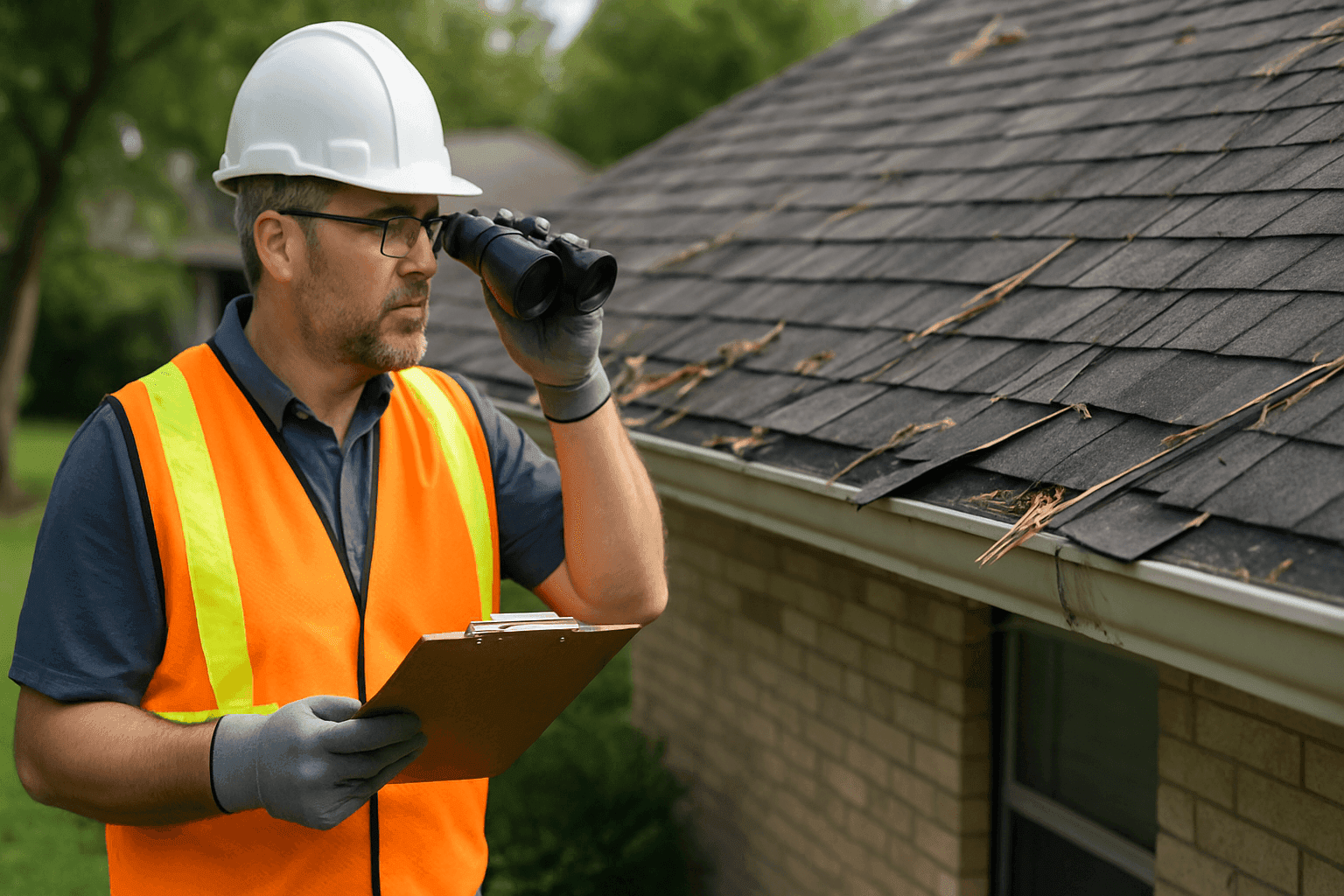
Heavy rain slams down. The wind howls. Maybe you hear the thud of hail or see branches tumbling past your window. Once the storm passes, you walk outside. Is your roof okay?
If you have that pit-in-your-stomach feeling, you’re not alone. Storms can leave behind damage that's hard to spot—but grows worse if ignored. At Rozzo Roofing, we help homeowners and businesses find trouble fast and fix it right. Here’s a hands-on guide for inspecting your roof after a storm, plus a printable checklist to keep you organized.
Why Storm Damage Matters: The Hidden Dangers
Storms don’t knock politely. They rip, tear, and shove. Sometimes the damage is obvious—a tree limb poking through your shingles. Other times, it's like a hidden leak under the kitchen sink: silent, slow, and expensive down the road.
Unchecked storm damage can cause:
- Leaks that rot wood and drywall
- Structural issues in decking or supports
- Mold and insulation problems from trapped moisture
- Higher energy bills from poor ventilation
- Gutter or downspout blockages that flood your foundation
Missing the signs isn’t just risky. It can also complicate insurance claims.
Quick Safety Checklist Before You Inspect 🦺
First things first—roof inspections can be dangerous. Most storm checks should be done from the ground or with binoculars. If you’re ever unsure, call for emergency roofing help.
- Wait for clear weather. Wet roofs are slippery, and wind can knock you off balance.
- Wear sturdy shoes. No sandals or bare feet.
- Use binoculars. Great for spotting damage without climbing.
- Don’t climb if you feel unsafe. Leave steep, high, or fragile roofs to the pros.
- Watch for hazards. Downed power lines, broken glass, or loose shingles don’t mix with DIY.
Follow OSHA’s guidelines for ladder safety if you need to check gutters or low eaves.
How to Spot Storm Damage: DIY Inspection Checklist
Print this list and walk slowly around your home or building. Take photos and notes as you go—these are gold for insurance claims.
Shingles & Roofing Material
- Cracked, curled, or missing shingles (look for dark patches)
- Bruised, soft, or dented spots—especially after hail
- Granules in gutters (like sand or coffee grounds)
- Loose or lifted shingles flapping in the wind
Flashing, Chimneys & Skylights
- Bent or missing metal flashing at roof edges, chimneys, or skylights
- Gaps or cracks where water could sneak in
- Loose or damaged sealant around penetrations
Gutters & Downspouts
- Detached, bent, or sagging gutters
- Water stains or mold under eaves
- Clogged or disconnected downspouts
- Dents, holes, or missing gutter sections
Debris & Surroundings
- Tree limbs, leaves, or debris on the roof—these trap moisture
- Damaged soffits or fascia along the roof edge
- Standing water (on flat roofs especially)
Interior Checks
- Water stains on ceilings or walls
- Mysterious drips or damp spots
- Musty smells (a clue for hidden leaks)
Tip: Snap a photo of every problem you find. Write down the location (“above garage,” “back left corner,” etc.). This will help when you talk to your insurance adjuster or a roofing professional.
Types of Storm Damage: What to Look For
Not all storm damage looks the same. Here’s how to tell the difference:
Hail
- Dents or bruises in shingles, flashing, or metal roofs
- Pockmarks on gutters or downspouts
- Broken skylights or cracked tiles
Hail often leaves circular patterns, like a golf ball hit your roof.
Wind
- Lifted, curled, or missing shingles
- Loose flashing or ridge caps
- Debris stuck under shingles
Wind damage likes to hide at the roof’s edges or peak.
Water
- Stains, streaks, or soft spots on ceilings
- Moss or algae growth (long-term moisture)
- Peeling paint near rooflines
Water sneaks in where shingles, flashing, or sealant fail.
Safe DIY vs. When to Call a Pro
It’s smart to do an initial walkaround. But if you find:
- A leak dripping inside
- Large areas of missing shingles
- Flashing peeled away from the roof
- Gutters dangling loose
- Signs of structural sagging
Pick up the phone. A pro can safely access steep or high roofs, check for hidden damage, and keep your insurance claim on track.
What Emergency Roofing Pros Do On Arrival
When Rozzo Roofing shows up after a storm, we bring more than a ladder.
- Thorough inspection: We look at shingles, flashing, decking, gutters, and attic spaces.
- Moisture checks: Using moisture meters and thermal cameras to spot hidden leaks.
- Immediate protection: Temporary tarps or sealants to keep rain out.
- Detailed documentation: Photos, notes, and repair estimates for your insurance company.
- Rapid response: We prioritize safety and critical repairs to prevent further damage.
We work with your insurance adjuster, providing what’s needed to help your claim go smoothly.
Prevention & Maintenance: Stop the Next Storm in Its Tracks 🛠️
You can’t stop the weather, but you can make your roof tougher.
- Schedule regular inspections (twice a year, and after major storms)
- Keep gutters and downspouts clear
- Trim back overhanging branches
- Check attic for leaks or poor insulation
- Ask about impact-resistant shingles or metal roofing
- Use quality sealants at all joints and penetrations
The National Roofing Contractors Association (NRCA) recommends annual maintenance to extend roof life and prevent surprise leaks.
Costs & Time Factors
Roof repairs can feel like spinning a roulette wheel—costs depend on materials, damage size, roof type, and urgency.
- Minor repairs (shingles, small flashing fixes): usually a few hours to a day.
- Gutter repair near you may be quick, but downspout or fascia repairs add time.
- Major damage (structural, widespread leaks, flat roof problems): may take several days and require permits.
Insurance can offset costs, but quick action and thorough documentation matter.
When It’s an Emergency 🚨
Certain signs mean you shouldn’t wait:
- Active leaks inside your home or business
- Visible sagging or collapse
- Large holes or missing roof sections
- Electrical hazards from water intrusion
In these cases, call Rozzo Roofing for emergency roofing services day or night.
FAQs: Storm Damage & Roof Inspections
How soon should I inspect after a storm?
Inspect as soon as it’s safe. The sooner you spot damage, the easier it is to fix—and the stronger your insurance claim.
Should I get on the roof myself?
Most damage is visible from the ground with binoculars. Only climb if you’re experienced, have proper safety gear, and the roof is low and dry.
What documents do I need for insurance?
Take clear photos of all damage, keep notes on locations and dates, and save any repair receipts. Your insurance agent may also request a professional inspection report.
Do emergency roofing pros handle gutters too?
Absolutely. Gutter repair, cleaning, and downspout checks are part of a thorough storm inspection.
Local & Seasonal Considerations
Storm risks change with the calendar. Spring brings hail and heavy rain. Summer storms can cause wind and debris trouble. In winter, snow and ice dams add different threats.
No matter the season, keep an eye on your roof after any big storm—especially if your home has trees nearby, older shingles, or previous repairs.
Stay in control—print this checklist and keep it handy after every storm. When in doubt, don’t risk your safety.
Call Rozzo Roofing now — or reach us anytime at 888-598-3440 .